Why Everyone’s Turning Their Profiles Purple and What It Really Means


Over the past few days you may have noticed lots of purple profile pictures on social media feeds. Your timeline suddenly looks like a violet garden. From captions to profile pictures, everything’s dipped in purple.
South Africans and now, people across Africa are turning their profiles purple in a powerful show of digital solidarity ahead of the G20 Women’s Shutdown happening on Friday, November 21, 2025.
What started as a local campaign has quickly turned into a continental statement. it’s a cry for attention, a call for justice, and a reminder that gender-based violence (GBV) is not just a statistic, but a national crisis.
The purple avatars are meant to make the shutdown visible online and to amplify calls for urgent action to end GBVF.
The movement that started it all
The purple profile movement was launched by Women For Change, a South African civil society group leading the call for urgent government action against GBV and femicide. They’ve rallied the nation to shut down the country — digitally and physically for one day, demanding that GBV be declared a national disaster.
The movement comes at a symbolic time, right before South Africa hosts the G20 Leaders’ Summit, giving activists a global stage to amplify their voices. Through hashtags, black clothing, and digital activism, they’re ensuring that no one scrolls past this crisis in silence.
Why purple?
Purple has deep roots in women’s rights movements across history. It was one of the colours of the suffragettes, representing justice and dignity. For this campaign, purple is the colour of resistance, unity, and remembrance, a visual reminder that women are tired of mourning, tired of fear, and ready for change.

By changing profile pictures to purple, even those who can’t physically join the shutdown can show solidarity online by transforming timelines into virtual protest grounds.
Why it’s trending beyond South Africa
Social media has proven once again that movements know no borders. The purple takeover has reached countries like Kenya, Nigeria, Botswana, and Ghana, with users across Africa showing support. Many have shared heartfelt messages, photos in black outfits, and videos pledging to join the 15-minute standstill.
Interestingly, men have also joined the conversation and the cause. From influencers to ordinary users, most men are showing support by turning their profiles purple and speaking out against GBV. Their message? This is not just a women’s fight; it’s everyone’s fight.
What the shutdown calls for
Women For Change has outlined clear, simple actions for anyone who wants to participate on Friday, November 21. Here’s how to stand in solidarity:
💜 Don’t work. Step away from both paid and unpaid labour for the day; from offices to homes, to symbolize the invisible work women do daily.
💜 Don’t spend. Withdraw from the economy for one day as a show of economic power and protest.
💜 Lie down at noon. Join the 15-minute standstill at 12:00 PM, lying down for one minute for each of the 15 women murdered daily in South Africa, a haunting reminder of lives lost to GBV.
💜 Wear black. Dress in mourning and resistance, standing for the pain, anger, and resilience of women across the country.
💜 Change your profile picture to purple. Make the shutdown visible online and keep the conversation alive.
When activism meets backlash
Like any major social movement, the purple wave hasn’t escaped criticism. Some online users have called the campaign performative, arguing that changing a profile picture isn’t “real activism.”
But participants have clapped back, reminding critics that visibility matters. Many have even unfollowed those trying to discredit the cause, saying the campaign isn’t about forcing participation but creating awareness. “If you don’t want to join,” one viral comment read, “then just scroll in peace.”
Their response highlights a deeper truth that sometimes, what may seem like a small digital act can be the spark that ignites conversations, solidarity, and eventually, change.
Why this matters
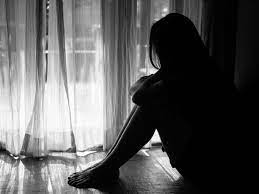
South Africa continues to grapple with one of the highest rates of gender-based violence in the world. According to national and UN statistics, an average of 15 women are murdered every day, often by intimate partners. For many, the purple profile isn’t just a statement; it’s personal.
This movement, therefore, is a reminder that the fight against GBV is far from over and that it takes more than hashtags to dismantle a culture of violence. It takes empathy, education, and unity.
A call to action
On November 21, the world will be watching. Whether you’re in South Africa or elsewhere on the continent, you can be part of this historic moment. Show your solidarity. Change your profile picture to purple, wear black, share verified posts, and if possible, take part in the standstill.
Because when a nation stops even for 15 minutes, the world starts to pay attention. 💜