
World Marks First-Ever Cervical Cancer Elimination Day
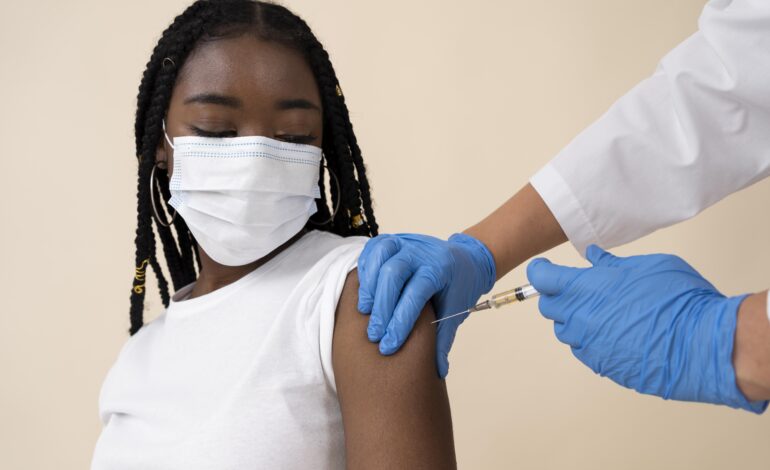

The world marked a historic milestone with the first World Cervical Cancer Elimination Day, observed on 17th November 2025 and officially mandated by the World Health Assembly (WHA). The day signals a new chapter in global health, spotlighting an ambitious but increasingly attainable goal: eliminating cervical cancer as a public health problem.
Cervical cancer remains the fourth most common cancer among women, claiming more than 350,000 lives every year, despite being largely preventable through existing tools. The commemoration reinforces the pillars of the WHO Global Strategy: vaccinating 90% of girls against HPV, screening 70% of women, and ensuring 90% of those with pre-cancer or cancer receive timely treatment.
WHO Director-General, Dr Tedros Adhanom Ghebreyesus, reaffirmed the momentum behind the global effort, stating:
“In 2018, I was proud to launch the global call to action on cervical cancer elimination, and I’m even prouder now to see what was once a distant dream becoming a reality. More and more countries are scaling up HPV vaccination, improving screening, and expanding treatment, bringing us closer to a future free of cervical cancer”
The 2025 commemoration comes as Gavi, the Vaccine Alliance, and partners announce a major milestone: an estimated 86 million girls have been reached with HPV vaccination by the end of 2025. Verified figures will be released in July 2026.
A Wave of Global Action ( Countries Accelerate HPV Vaccination and Screening Efforts)
Countries across Africa, Asia, Europe and Latin America marked the day through vaccination campaigns, mass screening activities, advocacy events and country-level commitments:
- Sierra Leone & Liberia: Large-scale HPV vaccination campaigns targeting over 1.5 million girls, alongside intensified screening efforts. Sierra Leone plans a nationwide screening drive across all 16 districts.
- Malaysia: Survivors spearheaded a week-long advocacy push promoting HPV self-sampling, improving access to screening.
- Angola, Cuba, Tajikistan, Tunisia: All introduced or expanded HPV vaccination in 2025, integrating it into routine immunisation schedules.
- China: Added the HPV vaccine to its national immunisation programme, extending coverage to all 13-year-old girls.
- Ghana: Launched a nationwide HPV vaccination campaign aiming to protect 2.4 million girls.
- Pakistan: Rolled out the world’s largest single HPV vaccination campaign, reaching over 9 million girls aged 9–14.
- Nigeria: Launched a national cervical cancer elimination initiative, with a US$700,000 commitment from the First Lady through the Renewed Hope Initiative.
- Rwanda: Under Mission 2027, the country is fast-tracking screening and treatment to hit 90-70-90 targets by 2027, three years ahead of global goals.
- Indonesia: Reaffirmed its commitment during the Second Global Forum for Cervical Cancer Elimination, backed by bold national targets and investments.
- Spain: Supporting HPV vaccination and screening programmes across Africa and the Eastern Mediterranean through AECID.
- South Africa: Placed cervical cancer elimination on the global stage during the G20 health agenda and is finalising its National Strategic Framework for elimination.
- Nepal: Conducted a nationwide vaccination campaign for girls aged 10–14 following HPV vaccine introduction.
Across the WHO Western Pacific Region, Unitaid and WHO strengthened their partnership to expand access to screening and treatment for precancer, supporting countries with limited capacity.
Why This Day Matters
World Cervical Cancer Elimination Day is more than symbolic; it is a rallying point for governments, partners and communities to increase investment, scale service delivery, and close gaps in vaccination and screening access. With global momentum rising and more countries advancing national elimination plans, the vision of a world free of cervical cancer is steadily transitioning from aspiration to reality.