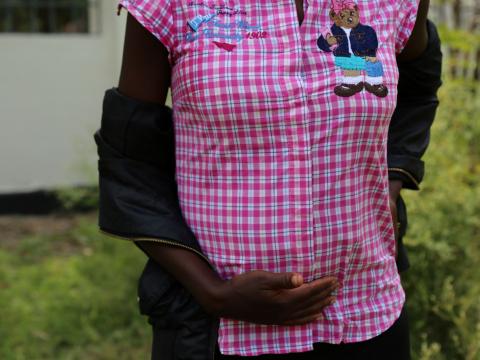
14-Year-Old Girl Dies in Narok South After Alleged Beating at Home


Residents in Narok South are in shock following the death of 14-year-old, Peris Chepng’eno, a Grade Seven pupil at Kijapa Primary School, who was reportedly beaten at her home in Emitik village, Sogoo Ward.
According to the area chief and the girl’s uncle, Peris was allegedly beaten by her mother and sister over household-related mistakes. The punishment reportedly escalated, and she collapsed, losing consciousness.
Authorities are now investigating the circumstances surrounding her death, while residents in the area struggle to come to terms with the loss of a young life cut short.
Police have since arrested the accused, and investigations are ongoing as the family awaits the outcome of a post-mortem examination at Longisa Hospital Mortuary in Bomet County.
The facts, as reported, are painful enough. But beyond the arrests and the court process lies a deeper and more uncomfortable conversation. How far is too far when it comes to corporal punishment at home?
When Does Discipline Cross the Line?
Corporal punishment remains common in many African households. For generations, it has been framed as discipline, correction, even love. Many adults today will say, “We were beaten and we turned out fine.” Yet stories like this force us to pause. If discipline is meant to guide and protect, what does it become when it causes harm? At what point does correction turn into violence?
Kenyan law is clear that children have the right to protection from abuse and all forms of violence. The Constitution and child protection statutes place a duty on parents and guardians to safeguard the wellbeing of minors. This legal framework reflects a broader shift in understanding children not as property to be controlled, but as individuals with rights and dignity.
Still, the reality inside many homes is complicated. Parenting is difficult. Economic pressure, emotional strain, and cultural expectations weigh heavily on families. There are moments when frustration takes over. In such moments, what some call discipline may cross a dangerous line.
Extending grace is important. Many parents are doing their best with limited support and inherited models of parenting that relied heavily on physical punishment. But grace cannot replace accountability. A child’s life cannot be collateral damage in the name of tradition or momentary anger.
READ ALSO: Discipline Technique Parents Should Adopt
Perhaps this tragedy should not only prompt outrage, but reflection. What tools are we giving parents to manage conflict without resorting to physical force? Are schools, churches, and community leaders actively teaching alternative forms of discipline such as communication, boundaries, and consistent consequences? Are we normalising conversations about mental health and stress within families?
It is easy to condemn after the fact. It is harder to examine the quiet practices many consider normal. Corporal punishment has long been defended as necessary for raising respectful children. Yet respect built on fear often comes at a cost. When discipline instills terror rather than understanding, the damage may run deeper than bruises.
As investigations into Peris Chepng’eno’s death continue, the legal process will determine responsibility. But as a society, do we still believe that pain is a valid teaching tool? Or are we ready to redefine strength in parenting as patience, restraint, and guidance?
For more, click HERE to join our WhatsApp channel!