Cover Story
15 Elephant Deaths in Amboseli Linked to Cyanide Poisoning
The Kenya Wildlife Service has linked the deaths of 15 elephants in the Amboseli ecosystem to cyanide poisoning as investigations into the incident continue

Published
3 hours agoon
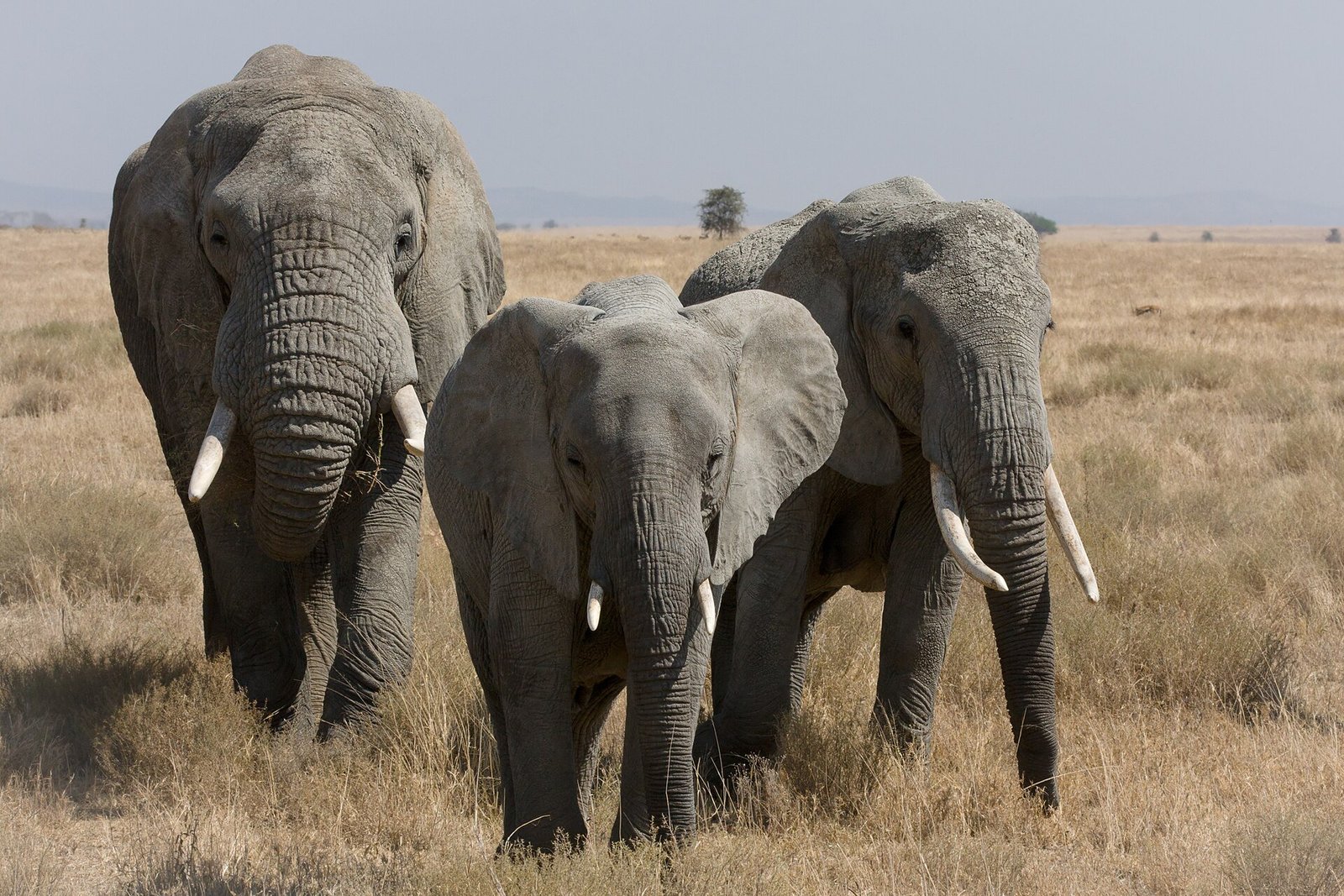
The Kenya Wildlife Service (KWS) has confirmed that cyanide poisoning killed 15 elephants in the Amboseli ecosystem over the past month.
The deaths have raised concern among conservationists, local communities and wildlife officials. Investigators are now trying to establish how the elephants came into contact with the deadly chemical.
KWS found the elephant carcasses on community land surrounding Amboseli National Park. Most lay in Kimana Sanctuary and Kuku Ranch, about 15 to 30 kilometres from the park.
Elephants regularly move between Amboseli National Park and neighbouring farms. They often leave protected areas to search for food and water, bringing them into close contact with agricultural land.
Elephants showed similar symptoms
KWS reported that 10 of the 15 elephants developed similar symptoms before they died. The animals suffered partial paralysis and could no longer stand. Most died within one or two days.
Veterinarians could not assess the remaining five elephants because their carcasses had decomposed or scavengers had damaged them.
KWS immediately dispatched veterinary teams from Nairobi, Tsavo and Amboseli. The teams treated affected elephants where possible. They also carried out post-mortem examinations and collected tissue, stomach and environmental samples for laboratory testing.
Investigators confirm cyanide
Early laboratory tests suggested poisoning. Subsequent forensic analysis confirmed the presence of cyanide.
KWS Director General Professor Erastus Kanga said the elephants most likely ate tomatoes contaminated with the highly toxic chemical. The animals had foraged on farms bordering the park.
Veterinarians found large quantities of tomatoes in the stomachs of several elephants during post-mortem examinations. The discovery strengthened the link between the deaths and nearby farmland.
Cyanide acts quickly in large mammals and can kill within a short time after ingestion.
The Government Chemist ruled out several other toxins before forensic experts confirmed cyanide as the cause of death.
Authorities continue investigations
KWS continues to investigate how the contamination occurred. Investigators are testing water sources, soil and other environmental samples. They want to determine whether the poisoning resulted from accidental exposure or the misuse of agricultural chemicals.
KWS says the incident does not currently pose a risk to human health. Officials believe the poisoning affected only the elephants. However, they continue to monitor livestock grazing in the area as a precaution.
For more, click HERE to join our WhatsApp channel!








You must be logged in to post a comment Login