










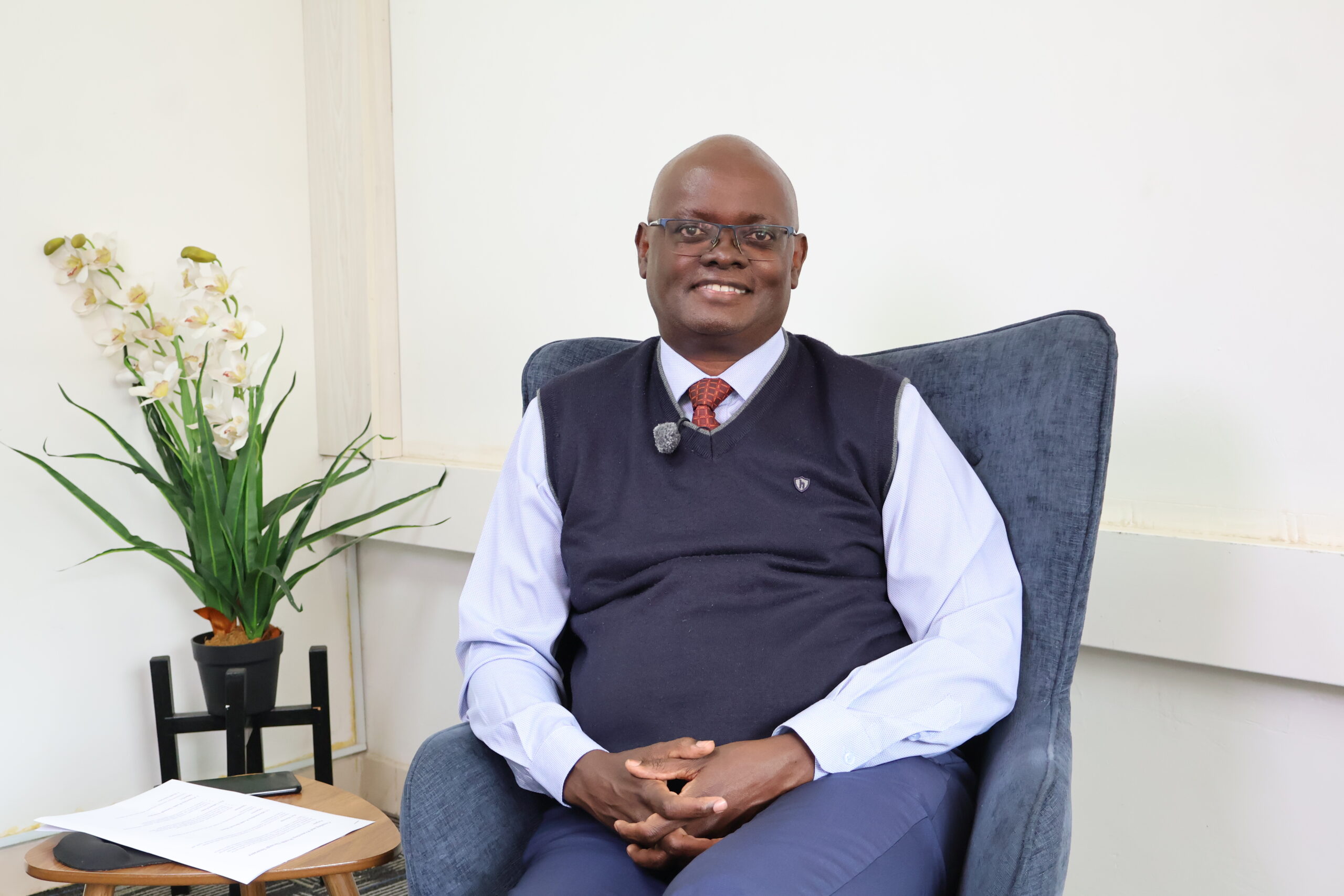
For 27 years, Joseph Ngige has sat across from individuals, families, and businesses, helping them answer one important question: What happens if life does not go according to plan?
Having built his career in different insurance companies and brokerage firms, Joseph has seen firsthand the difference between people who prepare for uncertainty and those who are forced to deal with financial setbacks when it is too late.
Today, he runs Aletheia Insurance Agency, an insurance professional firm that helps clients navigate different insurance solutions, from personal covers to business protection.
“Insurance is a financial product,” Joseph explains. “Most people are familiar with banking products because that is the finance they know. Insurance is also part of finance, except the difference is that it is a risk transfer mechanism.”
At its core, he says, insurance is about protecting yourself from financial disruption when unexpected events happen.
“There are things that have financial implications in your life. When those events happen, they put you in a position of financial loss or financial setback. Insurance comes in to restore or compensate that loss,” he says.
Insurance is more than just car and medical covers
For many Kenyans, insurance begins and ends with motor insurance and medical covers. However, Joseph says this limited understanding prevents many people from protecting other important areas of their lives.
“When people hear insurance, they immediately think about a car or health. But insurance touches every stage of life,” he says.
He explains that as people grow, their insurance needs change.
A young person starting their career may need medical insurance, protection for personal belongings, and retirement planning. A parent may need life insurance to protect their children’s future. A business owner may need covers that protect their employees, equipment, and income.
“Every time you start your journey of life, from being a minor to becoming an adult, you become responsible for different financial needs,” Joseph says.
Protecting your family when life changes
One of the biggest roles of insurance is protecting families from losing financial stability when a breadwinner is no longer able to provide.
Joseph explains that life insurance is not only about death; it is about protecting the financial responsibilities attached to a person’s income.
“If somebody has a family and they depend on their earnings, then if that person loses their life or ability to work, the financial stream should not be severely disrupted,” he says.
This is why some parents invest in education policies, hoping to secure their children’s future.
“People say they have a school fees policy because they are thinking, ‘If something happens to me, what happens to my child’s education?’ The money can help meet that need,” he explains.
He adds that the same principle applies to business owners who are key to the survival of their businesses.
“You can have a business where one person is the key man or woman. If something happens to them, what happens to the loans, the employees, and the operations? Insurance can help address those obligations.”
The insurance covers many Kenyans don’t know about
Beyond health and motor insurance, Joseph highlights several other covers that families and individuals should consider.
Travel insurance
Many people only think about travel insurance when applying for a visa, but Joseph says it offers much more.
“Travel insurance can cover medical emergencies, cancelled flights, lost luggage, loss of travel documents, and even legal expenses in certain situations,” he says.
Domestic package insurance
For renters and homeowners, protecting household items is equally important.
“You may not own the house, but you own the things inside it. You have a television, laptop, phone, jewellery, and other items. Those contents can be insured,” he explains.
For people whose work depends on equipment such as cameras and laptops, insurance can protect the home.
“These days, a camera is someone’s business asset. If it is lost or damaged while they are moving around for work, that risk can be covered.”
Professional indemnity insurance
For professionals such as doctors, lawyers, engineers, and journalists, mistakes or claims arising from their work can have serious financial consequences.
“Professional indemnity protects professionals when claims arise because of their professional duties. It can cover legal costs and compensation where applicable,” Joseph says.
When should young people start thinking about insurance?
A common misconception is that insurance is something to consider later in life.
Joseph disagrees.
“Insurance can be considered at all ages. The question is when you become responsible for your own risks,” he says.
He gives the example of young adults who transition from their parents’ medical cover.
“When you leave your parents’ cover, you need to think about taking a policy in your own name. You become responsible for your own situation.”
For someone starting, he advises beginning with the risks they already have.
“If you have health risks, start with medical cover. If you have a car, insure it. If you have belongings, consider protecting them,” he says.
Insurance should match your financial ability
One of the reasons many people avoid insurance is the belief that it is unaffordable.
Joseph says this is a misconception.
“There is no situation in your life where your insurance portfolio cannot respond. It depends on where you are in life,” he says.
He explains that someone earning a modest income does not need to start with the same covers as someone with significant wealth.
“If I cannot afford a Sh2 million medical cover, maybe I start with a lower cover. Something is better than nothing,” he says.
He also encourages people to think about affordable options such as personal accident covers.
“Personal accident policies can be very affordable. They protect in case of disability or loss of life resulting from an accident.”
What happens if you never make a claim?
One question many policyholders ask is: What happens to my money if nothing happens?
Joseph says this is where understanding insurance as risk transfer becomes important.
“When you pay insurance, you are paying for protection. The event may happen, or it may not happen to you, but someone else in that pool may experience that loss,” he explains.
Insurance works by pooling risks among many people so that those who experience losses can receive compensation.
“You are paying for the security that should something happen, you are covered,” he says.
Why some insurance claims are rejected
While some people believe insurance companies do not pay, Joseph says many rejected claims happen because policy terms were not followed.
Using motor insurance as an example, he explains that policyholders have responsibilities.
“You have to have a valid driving licence. You should not be driving under the influence. You need to operate the vehicle with reasonable care,” he says.
“Insurance is a contract between you and the insurance company. The terms are written in the policy document, and both parties have responsibilities.”
He encourages people to understand their policies instead of simply signing documents they do not read.
The biggest mistake Kenyans make
After decades in the industry, Joseph says the biggest mistake people make is postponing insurance because nothing bad happened before.
“I was not sick last year, so I don’t need medical insurance. My car was not stolen last year, so I don’t need cover,” he says.
“But life changes. Insurance is not bought because something has happened; it is bought because something could happen.”
Building Wealth Requires Protection
For Joseph, financial security is not only about how much money someone earns. It is also about protecting what they build.
“You are your own greatest asset. Your health is important because your ability to earn depends on it,” he says.
He encourages people to think beyond immediate needs and consider retirement planning early.
“Start saving for retirement as soon as you start earning. The little you put aside grows over time because of compounding.”
He also reminds families that insurance should work alongside other financial plans.
“Insurance is not the only thing. There is what goes into investments, what goes into retirement funds, and what pays your bills. Life is about balance.”
The advice he would give his younger self
Looking back at his 27-year journey, Joseph says he wishes he had taken financial planning more seriously earlier.
“I would tell my younger self to put aside money more seriously and focus on building my career,” he says.
His message to young professionals and parents is simple: start where you are.
“Protect what you have even as you invest. Insurance should become part of your financial lifestyle because it provides balance and security.”
For Joseph, the ultimate goal is not simply selling insurance policies — it is helping people build lives where unexpected events do not destroy everything they have worked for.
“Financial security means being able to live your life without constantly worrying about how you will finance situations that are beyond your control,” he says.
“And that is what insurance provides: peace of mind.”
For more, click HERE to join our WhatsApp channel!



Add Comment