










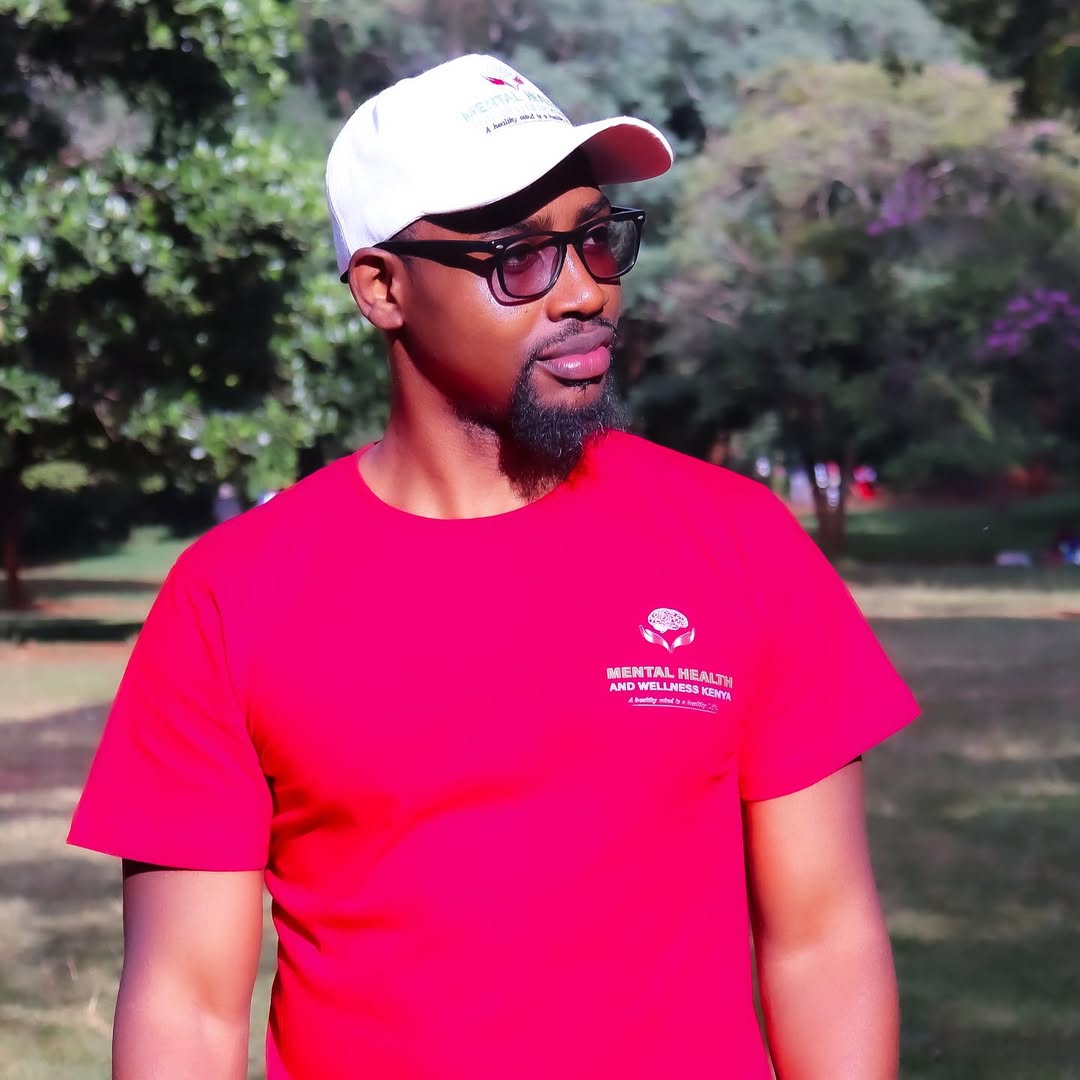
Political scientist Bravin Yuri observes that many people grow up believing their parents failed them. Children often focus on what their parents did not do, the mistakes they made, and the emotional gaps left unfilled. Few, however, pause to consider the weight parents carried, shaped not only by their present responsibilities but also by their own childhoods, wounds, and the limitations of the world they grew up in.
Yuri explains that many parents raised children while still trying to heal from pain they never had the chance to name. They were learning how to love while carrying memories of homes where love was rarely spoken. They were trying to provide while silently battling fears, shame, and insecurities.
“Some did not know better. Some knew better but lacked the emotional tools to do better. Some were simply overwhelmed by the responsibilities life placed on them before they even knew who they were,” he observes.
This perspective encourages a deeper understanding of the effort parents put into raising their children, even when it went unspoken. Yuri highlights that many parents made sacrifices quietly, fought silent battles, and worked to give their children a chance at something more than what they themselves were allowed to become.
He stresses that recognizing the humanity of parents does not erase the pain that may have been experienced or excuse the harm caused. Rather, it allows for a more compassionate view of those who raised us, showing that sometimes parents gave everything they had, even if it was not everything that was needed.
Lessons for today’s parenting
Bravin Yuri’s reflections offer practical lessons for parents today:
-
Acknowledge your limitations – Recognize that no parent is perfect, and that trying to do everything perfectly can be overwhelming. Being aware of one’s limitations allows for more mindful parenting.
-
Heal while you parent – Emotional wounds from one’s own past can affect parenting. Seeking healing or support can improve how one shows up for children.
-
Communicate openly – Sharing thoughts, fears, and feelings with children in age-appropriate ways builds trust and emotional intelligence.
-
Show effort, not perfection – Small acts of love and consistent presence often matter more than grand gestures or perfection.
-
Pass on compassion – Understanding the humanity of parents can encourage empathy, helping the next generation break cycles of unspoken pain.
Yuri concludes that healing begins when parents are seen not merely as guardians who failed, but as imperfect humans who tried. By embracing this perspective, families can cultivate understanding, forgiveness, and a deeper connection across generations.
Find more content like this and much more on our WhatsApp channel: https://whatsapp.com/channel/0029VaeJgVo89inf3IhwHT2t




Add Comment