











Every month, your body communicates in subtle ways. If you learn to listen, you can often tell when you are most fertile without relying entirely on apps or medical tests. These natural signals are simply your hormones and reproductive system doing what they were designed to do.
Whether you are trying to conceive or just seeking to understand your cycle better, recognising these signs can help you connect more deeply with your body and its rhythms.
The hormones behind fertility
According to the Cleveland Clinic, fertility is guided by a carefully coordinated hormonal system that begins in the brain. The hypothalamus sends signals that prompt the pituitary gland to release key hormones responsible for egg development and ovulation.
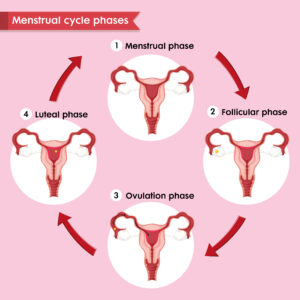
In a typical cycle, your ovaries begin preparing an egg in the first half of the month. As estrogen rises, your uterine lining thickens in readiness for a potential pregnancy. Around mid-cycle, a surge of luteinizing hormone triggers ovulation, releasing a mature egg.
After ovulation, progesterone increases to support a possible pregnancy, while estrogen continues to play a role in maintaining the uterine lining. When these hormones are balanced, cycles are usually regular, which is a strong indicator of natural fertility.
Understanding your cycle and ovulation
Ovulation is the central event in fertility. It is when your ovary releases an egg into the fallopian tube, where it can be fertilised. This usually happens around day 14 in a 28 day cycle, but the exact timing varies for every woman.
Your most fertile days span about five to six days each month, because sperm can live inside the body for several days. This means conception is most likely in the days leading up to ovulation and on the day itself.
If your cycles are consistent from month to month, this generally suggests regular ovulation and good reproductive health.
Cervical mucus as a fertility clue
One of the clearest signs of approaching ovulation is a change in cervical mucus. Early in your cycle, it may feel thick or dry. As ovulation nears, it becomes clear, slippery and stretchy, similar to raw egg whites.
This type of mucus helps sperm move easily toward the egg and usually appears two to three days before ovulation. After ovulation, it typically becomes thicker again. Paying attention to these changes can help you identify your fertile window.
Basal body temperature
Your resting body temperature can also reveal when ovulation has occurred. Before ovulation, your temperature is slightly lower. After the egg is released, progesterone causes a small but noticeable rise in temperature that lasts until your next period.
Taking your temperature first thing in the morning and tracking it over several months can help you see patterns in your cycle. When you notice a consistent shift from lower to higher temperatures, it usually confirms ovulation.
Physical sensations around ovulation

Some women feel mild pain on one side of the lower abdomen during ovulation. Others notice breast tenderness, slight bloating or increased energy. Many also experience a natural rise in sexual desire around this time.
You may even feel more emotionally sensitive or notice heightened senses like smell or taste. These changes are all normal responses to hormonal shifts in your body.
Using ovulation tests
If you want more certainty, ovulation predictor kits can detect the hormonal surge that happens before ovulation. These tests are easy to use at home and can help you pinpoint your most fertile days.
Blood tests ordered by a doctor can also provide deeper insight into your hormone levels and overall reproductive health if needed.
Lifestyle and fertility
Your overall health plays a major role in natural fertility. A balanced diet, regular exercise and healthy stress management support hormone balance. Good sleep and emotional wellbeing are equally important.
Women without underlying conditions such as thyroid disorders or polycystic ovary syndrome (PCOS) are more likely to have regular ovulation and strong fertility. Read also PCOS Awareness
When to seek medical advice
Not every woman notices clear fertility signs, and that does not necessarily mean something is wrong. However, if your cycles are very irregular, unusually long or you have difficulty conceiving after a year of trying, it may be wise to consult a healthcare professional.
Age also affects fertility, with chances of conception naturally declining after 35. Early guidance can be helpful if you have concerns.




Add Comment