
Feature
DEBORAH AUKO: Overcoming Her Past and Embracing the Future

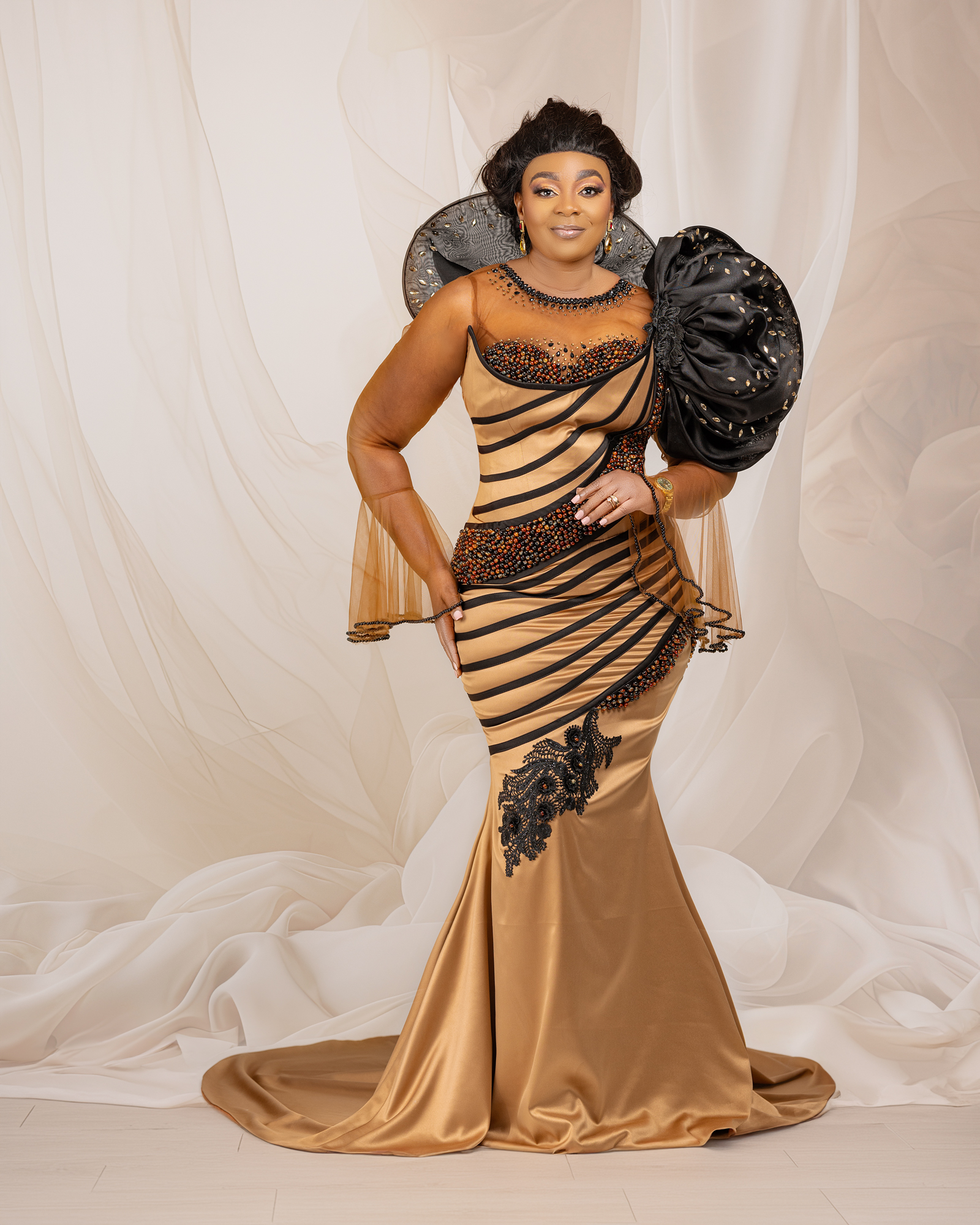
Deborah Achieng Auko Tendo Alexandria is a woman with a story as colourful as her personality, which starts with countless names. Her story is nothing short of inspirational. She did not let her tough childhood define her, but instead used it as fuel to make a better life for herself. She talks of her past, present, and the power of writing.
Deborah Auko Tendo is a career woman with expertise in sales and marketing, a mother of three, and wife to one Walter S. Odhiambo.
Her life story reads like a novel that begins with a broken childhood, facing adversities, rising above the pain, and finally finding a happy ending.
Deborah’s dramatic life story began when she was born in the eighties to a teenage mother who rejected her, so she never got to experience a mother’s love. “My mom was the victim of the stigma of ‘teen pregnancy’ and the condemning eyes of society,” she says.
Any form of teenage pregnancy in those days was associated with loose morals and that cast a negative shadow not only on the young mother but also on her family.
Her mother was tempted to abort her several times because of societal pressure and threats of social rejection. It was her grandmother who intervened and spared the unborn baby—today’s grown-up Deborah who is narrating her story.
“The only thing that saved me was my grandmother promising to keep me, and so I was given to her at birth and named after her. My father did not reject me and took care of me,” Deborah recounts.
Even with the love she was getting from her grandmother, Deborah’s early days were characterised by rejection and suffering. Her mother’s departure from her life left her to be solely raised by her father.
“It was awesome being brought up by a single father. Dad cooked for me; bathed me and since I was a bed-wetter for a long time, would ensure he took my mattress out every day to dry in the sun,” she recalls.
Her maternal aunties were not happy with this arrangement of her father having custody of their niece. It was always a tug of war between them and her father, with Deborah being shuttled from one home to another. This seriously disrupted her childhood and her education. To minimise the disruptions and tension that came with it, she was enrolled in boarding school at the age of nine.
On her first day of school at St. Anne’s Boarding Primary School, Jogoo Road, Nairobi, the headmistress was shocked to find out that young Deborah had not had any formal early education. By sheer determination, the young girl had taught herself the alphabet and could count. The experience of having to fend for herself from a very tender age cultivated in her a survival instinct and an independent mentality.
“When a child goes to a boarding school at the age of nine, it means they are being raised by an institution. This brings about a certain independence and knack for survival,” she explains.
At about the time she joined boarding school, her father lost his job, and the family began to face a financial crisis.
“It was so bad that nobody visited me in boarding school. Nobody picked me up on closing days and I would, therefore, move to the convent where I stayed with the nuns throughout the holidays,” she recalls.
These experiences of neglect and isolation were formative and put an indelible stamp of resilience and independence on Deborah. She describes her childhood as “a very wide spectrum of emotions: fun, painful, confusingly traumatising, and hurtful.
“I remember the trauma of my mum leaving and never coming back and the love I got from dad raising me by himself. Then the fun from my aunties whenever they snatched me from dad, but also the loneliness of being hidden away,” explains Deborah.
Despite her resilience and ability to weather the storm, the memories remain. She believes that children remember everything, and those memories make the child into what they become when they grow up.
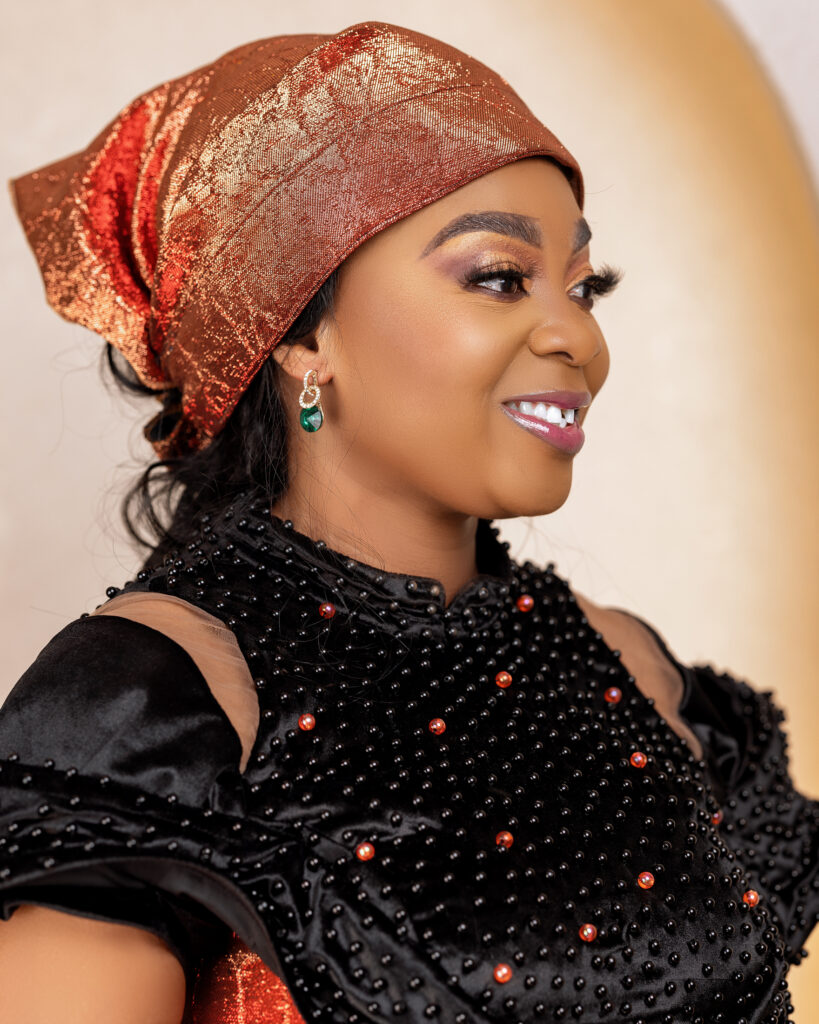
“I am very mindful as a person of what I do and say, but most importantly what my children do and say,” she notes.
Her love for books came through the free book distribution programme coordinated by the Kenya National Library Services (KNLS) when she was still a child. The books were her escape, fueling her desire to learn and make something of herself.
Years later, the ardent autobiography reader decided to pen her story in a memoir titled “Rough Silk”, which is a tribute to her now-late dad. Published in 2023, the book starts in pre-colonial Kenya in the 50s when her father was born and is a story of a life marred by pain and joy.
“It’s the story of being raised by my father, but at the core of it, I explore the story of the ordinary man my father was: a poor man, an imperfect man,” she says, adding that some of the themes the book brings out are the wounds a mother can inflict on her children; broken families; and the ever-linking trauma associated with teen pregnancies.
The urge to write Rough Silk was from a deeply personal persuasion. “When my father died of cancer, I was assigned the job of writing his eulogy. I realised that I could not do that in a single page,” Deborah says, adding that this made her promise her family that she would one day write a book in her father’s memory.
Writing the book was therapeutic and at the same time agonising. It made her relive her past, and that brought back buried memories and emotions.
“I had to stop writing the book several times and seek therapy. It took more than a year to write it because of these breaks,” she says, calling the experience cathartic and at the same time painful.
Rough Silk is more than a memoir. It is a book that can help those who have gone through trauma in their lives. “I especially encourage young adults to read the book as it will make them realise their life is in their hands,” says Deborah.
Saying that she self-published the book, she explains what this means: “I wrote the book, paid the editors, designers, and the printer. I also marketed the book and delivered it to the distributors.”
The success of the book has been phenomenal. It has attracted offers from publishers and seen her embark on international tours sponsored by Kenyans abroad.
Her writing has significantly impacted her life. It has given her a platform to narrate her life experiences in different forums, and an opportunity to network with eminent people. She was the only East African author featured at the prestigious Cheltenham Literature Festival in 2023.
“The book has exposed me to forums I ordinarily would not be in and met people I would have never dreamt of being in the same room with,” she notes.
When asked about her future writing projects, Deborah laughs it off, saying her readers should be content with Rough Silk.
Deborah describes herself as a survivor, saying her commitment to healing led her to seek therapy. It has also given her a deep need to avoid toxicity in her personal and professional relationships.
“I try to avoid toxicity by not getting myself into such spaces but most importantly not being the toxic person,” she explains.
Deborah has gone through her life’s journey with grace, human resilience, and the ability to rise above adversity.
“I have learned that I am in charge of the outcomes in my life and that what is happening to me is also happening for me,” she explains a philosophy that has seen her through the roughest of times and continues to shape her view of life.
This article was originally published in Issue 442. Click HERE to read the full issue.
For more, click HERE to join our WhatsApp channel!










You must be logged in to post a comment Login