Introducing Solids: Why Avocado Beats Rice Cereal for First Foods
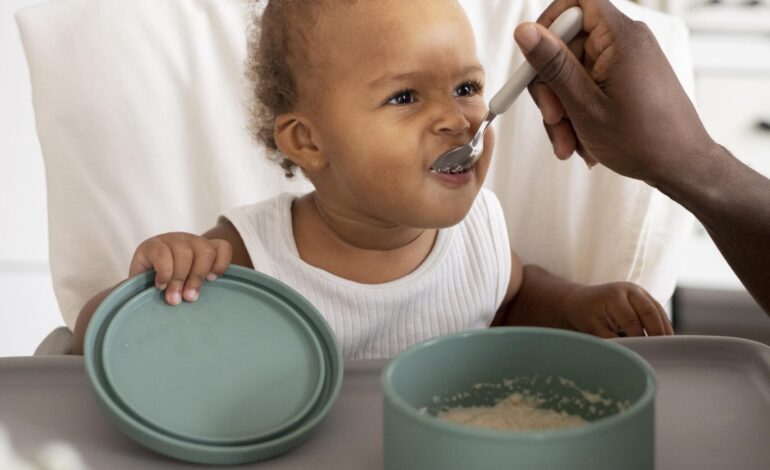

There is that particular moment many parents remember clearly: the first spoon, the curious stare, the tiny mouth deciding whether this new thing is friend or foe.
Introducing solids is not just a feeding milestone; it is a trust exercise. Your baby is learning what food is, how it tastes, how it feels, and whether the world beyond milk is a safe place.
For decades, rice cereal has been presented as the default first food. It is familiar, shelf-stable, and heavily marketed as “gentle”. But modern nutrition science and real-life feeding experiences are nudging parents to pause and ask a better question: is rice cereal truly the best place to start? Increasingly, avocado is taking the lead, and for good reason.
Why First Foods Matter More Than We Think
A baby’s first foods do more than fill a tummy. They help shape taste preferences, digestion patterns, and even long-term eating habits. Early exposure to real, varied flavours makes children more accepting of healthy foods later on. This is why the quality and texture of first foods matter just as much as timing.
At around six months, babies need nutrients that breast milk or formula alone can no longer fully provide, particularly iron, healthy fats, and certain vitamins. First foods should therefore be nutrient-dense, easy to digest, and as close to their natural form as possible.
The Problem with Rice Cereal
Rice cereal gained popularity because it is easy to prepare and easy to swallow. However, convenience does not always equal nutrition.
Rice cereal is highly processed. During processing, many natural nutrients are stripped away and later added back in synthetic form. While it may be fortified with iron, the iron used is often less easily absorbed compared to iron found in whole foods.
There is also the issue of arsenic. Rice naturally absorbs arsenic from the soil, and repeated exposure, even in small amounts, is not ideal for infants whose bodies are still developing.
Most importantly, rice cereal is mostly starch. It fills babies quickly but offers little in terms of healthy fats, which are essential for brain development during the first two years of life.
Why Avocado Is a Strong First Choice
Avocado is often described as a superfood, but for babies, it is simply a sensible food.
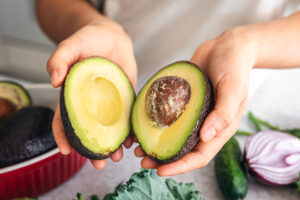
It is rich in healthy fats that support brain growth and nervous system development. These fats also help babies feel satisfied without overwhelming their digestive systems.
Avocado contains fibre, which supports gentle digestion and helps prevent constipation, a common concern when introducing solids. It also provides vitamins such as vitamin E, folate, and potassium, all of which support overall growth.
From a practical point of view, avocado is naturally soft. It can be mashed easily with a fork, requires no cooking, and adapts beautifully to a baby’s readiness level. Smooth for beginners, slightly textured as confidence grows.
Taste Matters Too
Babies are born with a natural preference for sweet flavours. Breast milk itself is slightly sweet. Avocado, while not sugary, has a mild, creamy taste that babies often accept readily. It introduces them gently to savoury foods without the shock of bitterness.
Rice cereal, on the other hand, is bland. While this may seem harmless, it does little to expand a baby’s palate or encourage curiosity about food.
Building a Healthy Relationship with Food
Starting with whole foods like avocado sends a quiet but powerful message: food comes from nature, not packets. This early exposure helps normalise fruits, vegetables, and natural textures as part of everyday eating.
It also allows parents to observe their baby’s cues more clearly. Avocado’s richness encourages slower eating, making it easier to notice when a baby is full, satisfied, or needs a break.
Safety and Readiness Still Come First
No matter the food choice, readiness matters more than age alone. Babies should be able to sit with minimal support, show interest in food, and lose the tongue-thrust reflex before starting solids.
Avocado should be served plain, without salt or seasoning. It can be offered mashed on a spoon or as a soft slice for babies practising baby-led weaning, always under close supervision.
A Gentle Shift, Not a Rigid Rule
Choosing avocado over rice cereal does not mean rice cereal is forbidden forever. It simply means first foods can be better. Whole foods, introduced thoughtfully, give babies a stronger nutritional foundation and a more meaningful start to their food journey.
In the end, the goal is not perfection. It is intention. When we choose foods that nourish, respect development, and invite curiosity, we give our children more than a meal. We give them a beginning rooted in care, wisdom, and trust.
Click HERE to join our WhatsApp Channel!