Potty Training Your toddler: A Gentle Guide for New Parents
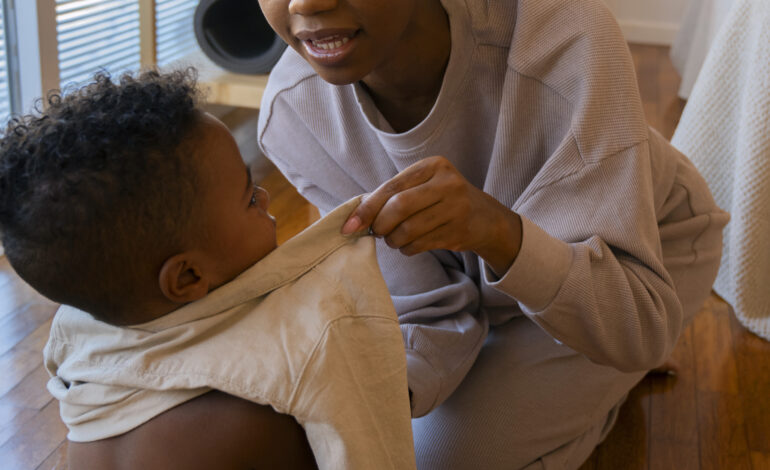

Potty training can feel like a big milestone, both exciting and a little daunting. For many parents, the question isn’t just when to start, but how to help a child navigate this new stage confidently. To understand the process, it helps to first consider a little about how babies learn.
How Babies Learn
 Babies are natural learners. From birth, they observe, imitate, and respond to the world around them. Learning happens through repetition, observation, and positive reinforcement.
When it comes to skills like potty training, this same principle applies: children pick up cues, routines, and habits by watching their caregivers, practicing consistently, and receiving encouragement along the way.
Understanding this foundation helps us approach potty training not as a strict “task” but as a learning journey tailored to each child’s pace.
When to Start
There is no single “right” age for potty training, but most children show readiness between 18 months and 3 years.
Signs your child may be ready include:
- Showing interest in the toilet or potty chair
- Staying dry for longer periods
- Communicating when they need to go
- Showing discomfort with dirty diapers
- Demonstrating basic independence, like pulling their pants up and down
It’s important to remember that readiness varies. Pushing a child too early can lead to frustration for both parent and child.
Getting Started: Practical Steps
- Choose the Right Equipment
A child-sized potty chair or a small seat attachment for the regular toilet works best. Let your child explore it first—making it familiar and non-threatening. - Establish a Routine
Consistency is key. Encourage your child to sit on the potty at regular times, such as after meals or before bath time. Even if nothing happens at first, the routine builds familiarity. - Use Positive Reinforcement
Celebrate successes with praise, stickers, or a small reward. Avoid punishment or shaming for accidents, as this can create fear or anxiety around the toilet. - Teach Proper Hygiene
Show your child how to wipe properly and wash hands afterward. Making hygiene fun through songs or playful routines reinforces good habits early on. - Model Behavior
Children learn a lot through observation. Older siblings or parents demonstrating toilet use can encourage imitation and understanding. - Be Patient and Flexible
Accidents will happen, and progress may be uneven. Celebrate small victories and maintain a calm, encouraging attitude. Consistency, not perfection, drives success.
Tips for Making Potty Training Easier
- Dress your child in easy-to-remove clothing.
- Keep the potty accessible, so your child can use it independently.
- Read books or watch videos about potty training together. This normalizes the process and makes it relatable.
- Track progress casually. Using charts or stickers can motivate without pressure.
- Be mindful of life transitions (moving, new siblings, travel), which can temporarily slow progress.
Remember: Every Child Is Unique
Potty training is a learning journey, not a race. Some children master it quickly, while others take months. The key is to observe cues, encourage gently, and make the process as positive and stress-free as possible.
With patience, consistency, and a bit of creativity, potty training becomes not just a milestone, but a moment of growth and independence for your child. And for parents, it’s a chance to celebrate a little everyday victory that signals your child is learning, growing, and stepping into a new stage of life.
Click HERE to join our WhatsApp group