
Thriving Through Menopause: A Fitness Coach’s Guide to Finding Strength in Transition
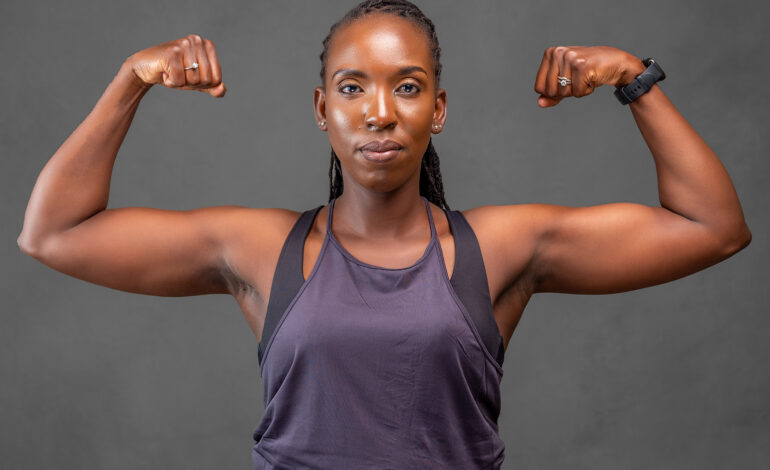

For many women, menopause feels like the ground shifting beneath their feet. But according to personal trainer and fitness coach Stephanie Mwaura, this stage, though challenging, can also be a season of rediscovery.
“Unlike pregnancy, all women will go through menopause,” she says. “The transition period is long and can be challenging, but there are solutions to living well and thriving in this season.”
 Stephanie has spent years helping women of all ages navigate the highs and lows of fitness. But when she entered her own perimenopausal journey, the lessons became personal.
“I’ve trained for a long time in my life,” she admits, “but this season has shown me dust. I’ve had to unlearn what I knew and apply what works for me now.”
When the Body Begins to Shift
Menopause is often marked by a drop in oestrogen, the hormone that supports muscle mass, bone strength, and even mood stability. Stephanie notes that the effects ripple through nearly every part of a woman’s health.
“We mainly see a reduction in muscle mass, reduced bone strength, extreme fatigue and lethargy, lingering muscle soreness, poor sleep patterns, and an increase in fat storage around the midsection,” she explains.
There’s also excess weight gain, high inflammation, irregular periods affecting mood, and a reduced ability to handle stress.
These changes can feel discouraging, especially for women who were once active and energetic. But Stephanie insists it’s not the end of the fitness story — just a new chapter that requires a different approach.
RELATED: Menopause Unmasked — The Power, Pain, and Poise of Women in Transition
Strength is the Secret
When it comes to exercise, Stephanie is clear about one thing: strength training is essential. “It’s one of the best approaches to improve muscle mass and bone density,” she says.
The more muscle you build, the less fat you store, so it helps manage weight gain. Strength training is also a great tool for building mental fortitude.
She also encourages women to embrace low-impact cardio options. “Walking, swimming, cycling, and dancing are great choices,” she adds. “They’re safe, sustainable, and effective for heart health.”
The Motivation Challenge
 Staying active isn’t always easy, especially when fatigue, soreness, or mood swings hit. Stephanie understands that motivation can waver during this time, which is why she urges women to lean on community and professional guidance.
“Walk this journey with like-minded friends or training companions who can help you navigate the low seasons,” she advises. “And get a coach who is knowledgeable about this season and how to navigate it. They’ll keep you accountable and well-equipped to do what’s best for your body.”
Avoiding the Common Mistakes
In her experience, one of the biggest errors women make during menopause is pushing too hard with the wrong kind of training. “Extreme, high-intensity cardio increases stress levels in the body and makes recovery much harder,” she warns. “This is a season of ease. It’s not the time for undereating or low-nutrition diets. Nourishing the body is crucial if you want to thrive.”
Mind Over Menopause
The mind, Stephanie reminds us, plays an equally vital role. “Lowered oestrogen has a huge impact on mental health,” she says. “Many women experience drastic mood changes, anxiety, and depression during this time. If a woman’s mental health isn’t okay, all other areas of her life will struggle, especially fitness.”
Paradoxically, movement itself can be one of the best remedies. “Engaging in fitness is a huge benefit to mental health,” she affirms. “Lack of training may actually be tougher than pushing to train.”
Message to Every Woman in Transition
Stephanie’s advice is simple: do what you can. “Don’t be in a race with what you see others doing,” she says. “Work towards your own goals with the best information and support available. This is a time to rediscover what health and fitness look like for you. Take your time and invest in your well-being.”
For her, grace and self-compassion have become as essential as any workout. “I never used to feel constantly exhausted or sore after a workout, but that’s now the case,” she shares. “I’ve had to rethink how I train and extend more grace to myself. That’s how I thrive now.”
Her final word to women approaching or experiencing menopause?
One of the best investments for your fitness and health in this season is a good coach and a good healthcare team. You deserve that.
Stephanie’s Top Fitness Tips for Menopause
1. Prioritise strength training.
It keeps bones strong, builds muscle, and helps manage weight gain. Think resistance bands, light weights, or body-weight moves.
2. Choose movement you enjoy.
Walking, swimming, cycling, and dancing are low-impact, stress-relieving, and easy to sustain long term.
3. Rest and recover intentionally.
Your body takes longer to bounce back. Honour that. Quality sleep and active recovery are part of training.
4. Nourish, don’t deprive.
Undereating and low-nutrition diets do more harm than good. Feed your body well, it’s working hard for you.
5. Find your people.
Having a community or coach who understands menopause keeps you motivated, accountable, and supported.
6. Protect your mind.
Movement supports mental health just as much as it tones the body. “A clear mind lifts everything else,” she reminds.
7. Give yourself grace.
This season isn’t about perfection. It’s about thriving where you are, with what you can do.