
Why You Should Prioritise Functional Fitness Over Gym Aesthetics
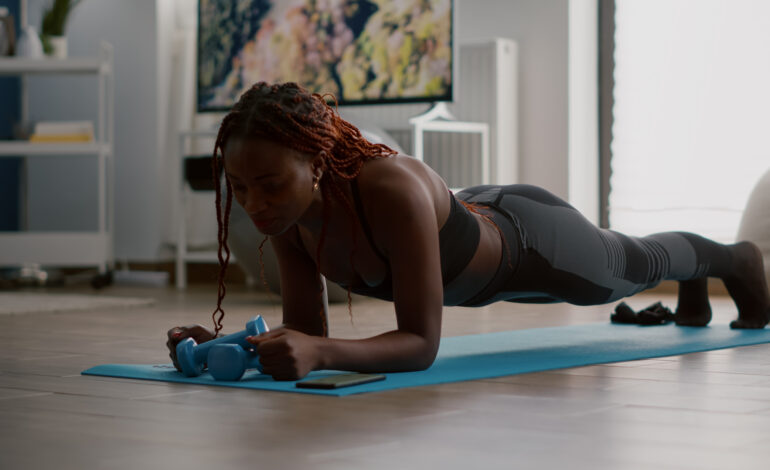

Going to the gym is not the problem. Wanting visible results is not the problem either. For many people, the gym is where routine is built, stress is released, and confidence slowly takes shape.
The real question is simpler than we make it.
Is your fitness routine helping you live better outside the gym as well?
That is where functional fitness comes in. Not to replace gym training, and not to dismiss aesthetic goals, but to support them. It focuses on how your body moves, carries weight, and holds itself together in everyday life.
Understanding Functional Fitness
Functional fitness trains your body to perform real-life movements with ease and control. It mirrors the actions you repeat daily, like lifting, squatting, reaching, twisting, and balancing.
Instead of working muscles in isolation, it trains them to work together. This coordination is what allows the body to move efficiently and safely, both in workouts and in daily routines.
Where the Gym Fits In
Traditional gym workouts have their place. Strength machines, weight training, and structured programs can help build muscle, discipline, and consistency.
The issue only arises when workouts focus solely on appearance and ignore mobility, flexibility, and balance. A body can look strong and still feel stiff, unstable, or easily fatigued.
Functional fitness does not compete with the gym. It complements it. It fills the gaps that mirror-based training often leaves behind.
Strength That Carries Over Into Real Life
One of the biggest advantages of functional fitness is how practical it is. The strength you build shows up in everyday moments.
You notice it when carrying shopping bags without straining your shoulders. When climbing stairs feels lighter. When your posture improves without conscious effort.
Your body starts to feel capable, not just conditioned.
Supporting Joint Health and Reducing Injury
Functional training places emphasis on proper movement patterns and joint stability. Over time, this helps reduce common injuries linked to poor form or muscle imbalance.
When the core, hips, and shoulders work together as they should, the body handles stress better. This matters not only for workouts, but for long-term health and mobility.
It is the kind of fitness that grows with you, rather than wearing you down.
A More Sustainable Approach to Fitness
Aesthetic goals often rely on short bursts of motivation. Functional fitness leans into consistency.
Because the movements feel purposeful and relevant, people are more likely to stick with them. Progress becomes less about chasing perfection and more about building strength that lasts.
That shift alone can change how someone relates to exercise.
Yes, Aesthetics Still Happen
Choosing functional fitness does not mean giving up on how you look. In fact, many people find that their bodies naturally become more balanced and defined over time.
Improved posture, better muscle coordination, and increased confidence often show physically. The difference is that the results come as a by-product, not the sole objective.
Making the Shift Without Overhauling Everything
You do not need to abandon your gym routine to prioritise functional fitness. Simple additions make a difference.
Compound movements, mobility work, balance exercises, and core training can be blended into existing workouts. Even small changes can improve how your body feels and performs.
Fitness does not have to be a choice between looking good and feeling capable. Both can coexist.
By prioritising functional fitness, you give your body the tools it needs to support your daily life, your goals, and your future. The gym remains a tool, not the destination.
And in the long run, a body that moves well is always worth investing in.
For more, click HERE to join our WhatsApp channel!