










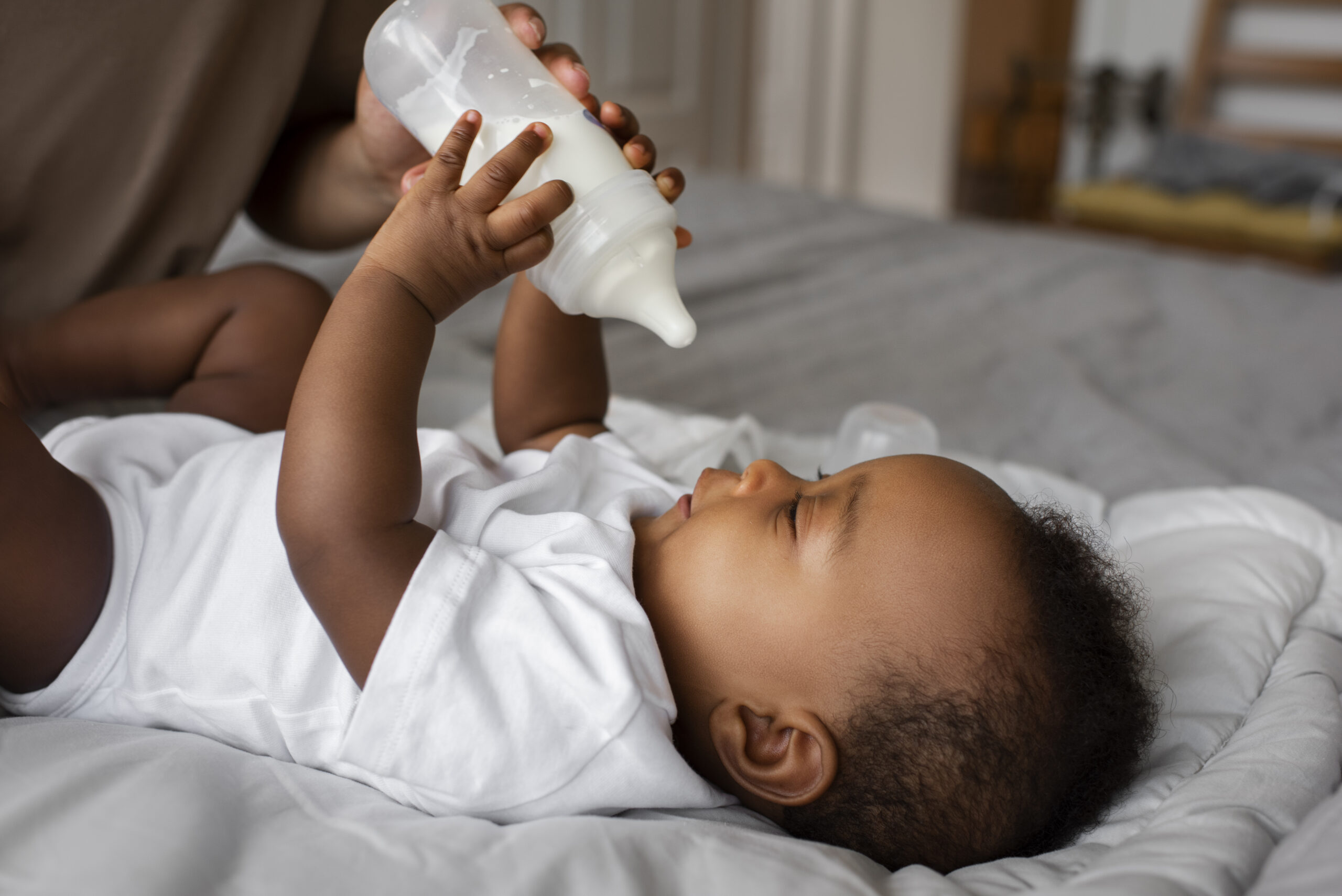
When you hold your precious newborn, your deepest desire is to nurture and protect them. You ensure they have everything they need to thrive. In the bustling world of baby care, a simple gesture like offering a little glass of water is common sense, especially on a warm day.
Yet, leading paediatricians are sharing a crucial warning: giving plain water to babies under six months can be incredibly dangerous.
It’s a surprising truth, but for our babies, water can be too much of a good thing.
The biology of your baby’s body
Imagine your baby’s body as a perfect miniature ecosystem. Everything it needs for hydration is already found in nature’s ideal food: breast milk or prepared formula.
The Cleveland Clinic explains, “Newborn kidneys… are about the size of a grape. So, it’s easier for your baby’s kidneys to get overwhelmed” when they receive plain water instead of milk.
When an infant takes in too much water, a delicate balance is destroyed:
The sodium sweet spot: Water dilutes the vital mineral sodium in their blood. Sodium helps the brain and muscles communicate.
Swelling occurs: When the blood’s sodium levels drop too low, a condition called hyponatremia, the body rushes water into the cells to try and equalise the balance. This causes the cells, especially those in the tender, developing brain, to swell.
Water intoxication, a serious condition, is the result and that can lead to seizures and, heartbreakingly, worse.
Breast milk is almost 90% water! It’s their perfect, tailor-made drink. Formula, when mixed correctly, is the next best thing. There is simply no need for extra water, ever, before that six-month mark.
Six-month milestone
The good news is that this period of “no water” is temporary. Paediatric guidelines lovingly guide us:
-
Under six months: Stick to breast milk or formula only. If your baby is fussy or seems warm, offer more milk. It’s the safest, most effective way to hydrate.
-
Around six months: Once you introduce solids, you can begin offering very small sips of water from an open cup or sippy cup. Think of it as a tool for teaching and exploring, not for hydration. A few ounces throughout the day is plenty.
Spotting the signs
Because you know your baby best, it’s essential to be aware of the subtle signs that something is wrong. If you have mistakenly given your baby plain water, look for these signals of distress.
-
Unusual fussiness or sleepiness: They might be exceptionally irritable or suddenly lethargic.
-
A puffy look: Subtle swelling, especially around their face, hands, and feet.
-
Colder skin: A noticeable drop in their usual warmth.
-
Too much pee: Very frequent urination, and the colour is almost completely clear.
In the end, caring for a baby is about trust: trusting your milk, trusting the formula, and trusting the wisdom of science. By reserving plain water until their systems are ready, you are giving your baby a gentle, balanced start they deserve.
Click HERE to join our WhatsApp Channel!




Add Comment