










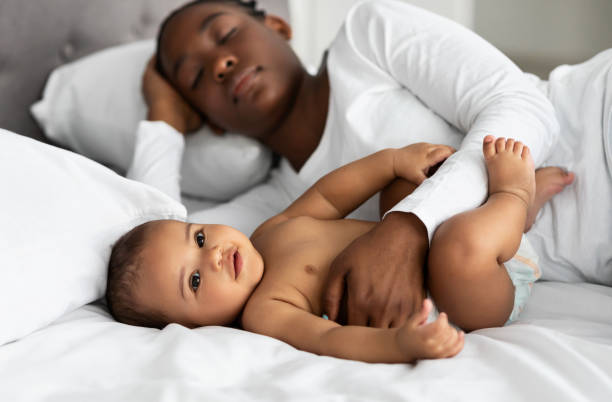
For many parents, especially new ones, co-sleeping feels natural. A crying baby in the middle of the night, exhaustion setting in, and the comfort of having your infant close can make sharing a bed seem like the easiest and most loving option. In some cultures, co-sleeping is deeply rooted and widely practised.
However, medical experts and child health organisations continue to raise serious concerns about the safety of co-sleeping with infants, particularly in the first year of life.
What is co-sleeping?
Co-sleeping generally refers to an infant sleeping on the same surface as a parent, usually in the same bed. This is different from room-sharing, where a baby sleeps in their own cot or bassinet in the same room as the parent, a practice widely recommended by paediatricians.
Why co-sleeping can be dangerous
1. Risk of suffocation and accidental overlay
One of the greatest dangers of co-sleeping is accidental suffocation. Adults can unintentionally roll over onto a baby during deep sleep. Soft mattresses, pillows, blankets, and duvets can also obstruct an infant’s airway, especially since babies lack the strength and coordination to move away from danger.
2. Sudden infant death syndrome (SIDS)
Research has consistently linked bed-sharing with an increased risk of Sudden Infant Death Syndrome (SIDS), particularly for babies under six months. The risk is significantly higher if:
-
A parent is extremely tired
-
Alcohol, medication, or drugs are involved
-
The baby was born prematurely or has a low birth weight
3. Overheating
Infants cannot regulate their body temperature as effectively as adults. Sharing a bed increases the risk of overheating, which has been associated with sleep-related infant deaths. Heavy bedding and close body contact can raise a baby’s temperature to unsafe levels.
4. Unsafe sleep surfaces
Couches, armchairs, and soft beds are especially hazardous. Many accidental infant deaths occur when a parent falls asleep with a baby on a sofa or recliner, places where babies can easily become trapped or wedged.
“But I want my baby close”
The desire to keep your baby close is completely valid. Proximity helps with bonding, breastfeeding, and responding quickly to your baby’s needs. The good news is that you can have closeness without compromising safety.
Health experts recommend:
-
Placing your baby on their own firm mattress
-
Using a cot or bassinet positioned next to your bed
-
Ensuring the baby sleeps on their back, with no pillows, toys, or loose bedding
This approach allows parents to be responsive while significantly reducing risks.
Cultural practices vs. modern evidence
In many African households, co-sleeping has been practised for generations. While tradition plays an important role in parenting, it is also essential to weigh cultural norms against modern medical evidence, especially when it concerns infant safety.
Experts emphasise that most sleep-related infant deaths are preventable with the right information and safe sleep environments.
When is co-sleeping especially risky?
Co-sleeping should be strictly avoided if:
-
Either parent smokes
-
Alcohol or sedative medication has been used
-
The baby is under 4–6 months old
-
The sleeping surface is not a bed (e.g., couch)
-
Bedding is soft or cluttered
The bottom line for parents
Co-sleeping is often driven by love, exhaustion, and convenience, not neglect. However, understanding the risks empowers parents to make safer choices.
Room-sharing without bed-sharing remains the safest option for infants, especially during the first year of life. As parents, our greatest responsibility is not just to comfort our children, but to protect them, even when it means changing long-held habits.
Safe sleep saves lives.
For more, click HERE to join our WhatsApp Channel!




Add Comment