










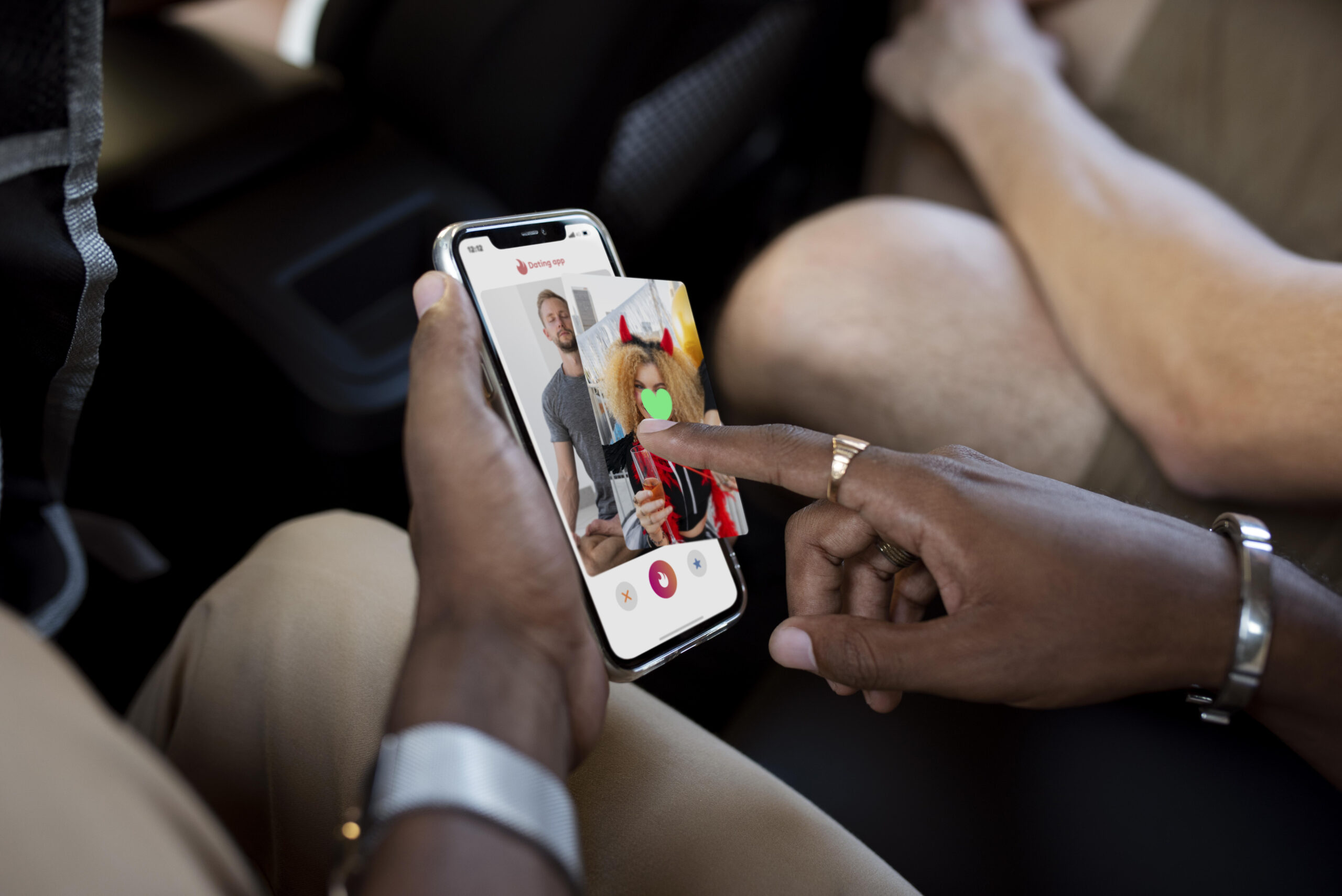
The modern landscape of relationships has shifted from physical interactions to “swipe left, swipe right,” a transition that brings both unparalleled opportunity and unexpected risks. This evolution was recently spotlighted on BBC Focus on Africa, where YouTuber Sharon Yamisa, known to her audience as “Nana,” shared her firsthand account of how quickly an online match can turn uncomfortable.
During the interview, Nana detailed her creepy dating app experiences, ranging from boundary-pushing requests for photos to the jarring realisation that a digital persona rarely matches reality.
Her story, alongside those of couples who found success, serves as a vital jumping-off point for a broader conversation on safety, boundaries, and the evolving role of parenting in a digital age.
Decoding digital red flags
In the physical world, a red flag might be a raised voice or a missed date. In the digital realm, they are often more subtle and manipulative. Common warning signs include love bombing, where a stranger showers a user with excessive affection to gain trust, or breadcrumbing, which involves sending just enough messages to keep someone interested without any intent of meeting.
For parents, the goal is to help young adults be digitally intuitive. This involves teaching them that if a profile feels too polished to be true, or if a conversation turns sexual prematurely, it is a boundary violation that warrants an immediate block.
Safe transition
The most vulnerable moment in online dating is the transition from a digital persona to a physical human being. To mitigate risk, individuals should adhere to a strict public-first rule:
-
Always meet in high-traffic, well-lit public areas.
-
Inform a friend or parent of the location and provide a check-in time.
-
Never rely on a date for a ride home on the first meeting; maintaining the ability to leave at any moment is a crucial safety barrier.
The mental health toll of dating apps
Parenting in a digital era requires acknowledging the psychological impact of dating apps. The almost fictional nature of net romance can lead to a hit on one’s self-esteem when matches are scarce or when ghosting occurs.
It is important to view dating apps as a tool, not a reflection of personal worth. Parents can support their adult children by encouraging digital detoxes, “touching some grass” and reminding them that meaningful connections often happen when they step away from the screen and engage with their local community.
Bridging a generational gap
There is often a disconnect between traditional views of meeting the family and the fast-paced nature of app dating. Parents who approach their children’s digital dating life with curiosity rather than judgment create a safer environment.
When a young adult feels they can discuss a creepy interaction without being told “I told you those apps were bad,” they are more likely to seek help when a situation actually becomes dangerous.
Are dating apps the answer to finding love?
Dating apps are not the answer to love, but rather a megaphone for finding it. They expand the social circle beyond one’s immediate geography, allowing people to meet who otherwise never would have crossed paths. However, they are merely a medium. The success of the relationship still depends on old-fashioned qualities: character, consistency, and communication.
For those who use them with high digital literacy and firm boundaries, apps can be a gateway to a lifelong partner. For those who enter the space without a safety net or a strong sense of self, the experience can be draining.
Ultimately, the answer to finding love remains the same as it was decades ago: it requires a balance of an open heart and a very cautious head.
For more, click HERE to join our WhatsApp channel!





Add Comment