










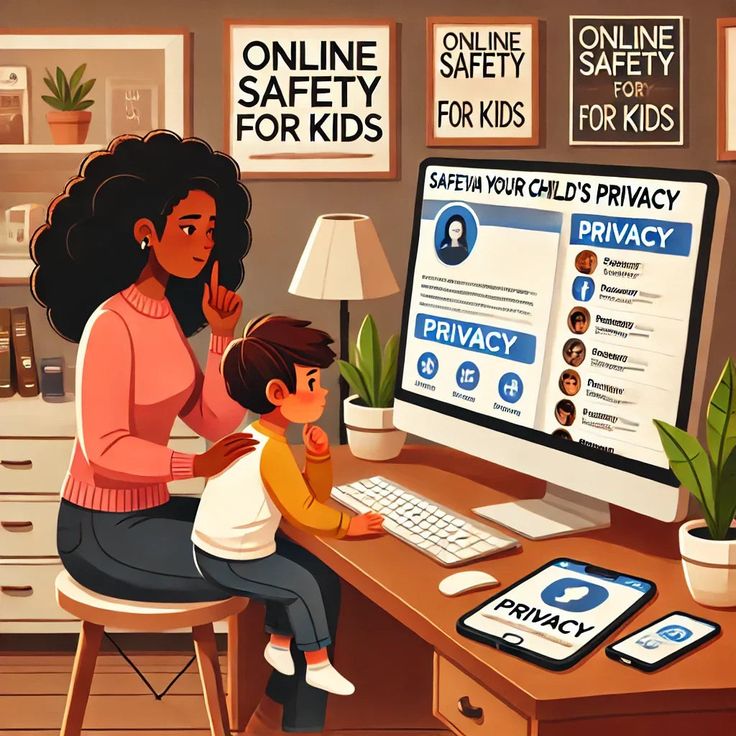
For generations, parenting was often defined by the “No.” No screen time before dinner. No social media until high school. No talking back. The objective was control and obedience, relying on a top-down hierarchy where the parent dictated the environment and the child followed the rules.
But the arrival of Gen Z and Gen Alpha generations born into a world of hyper-connectivity and constant information has rendered the “No” strategy increasingly obsolete. When the world is accessible at the touch of a button, a brick wall of “No” rarely creates protection; instead, it often creates secrecy, resentment, and a digital divide between parent and child.
To raise resilient, critical thinkers in this era, we are seeing a fundamental shift in parenting philosophy: moving from a model of prohibition (The No) to a model of facilitation (The How).
The Limitations of the “No”
The “No” is a reactive measure. It is born from a parent’s legitimate fear of the unknown the dangers of the internet, the pressure of social media, or the anxiety-inducing nature of infinite scrolling. However, when we lead with “No,” we essentially vacate the developmental space where children need the most guidance.
When a parent says “No” to a platform or an app without context, they aren’t teaching their child how to navigate it; they are simply delaying the child’s encounter with it enter curiousity where they figure out a way of getting it without the parent knowing . Once that child inevitably gains access, they are often ill-equipped to handle the nuance, the toxicity, or the psychological traps embedded in modern digital spaces.
The Power of “How”
The “How” is a proactive, collaborative, and educational approach. It treats the parent as a mentor rather than a warden. It acknowledges that technology is not going away, so the goal shifts from restriction to competence.
Shifting to “How” requires us to replace mandates with questions:
- Instead of “No social media,” ask: “How does scrolling through this feed make you feel about yourself, and how can we curate your feed so it adds value to your day?”
- Instead of “No games,” ask: “How are you managing your time so that your creative projects and homework are still getting the attention they need?”
- Instead of “No talking to strangers,” ask: “How do we identify which interactions online are safe, and how do we verify if someone is being honest about who they are?”
Building Digital literacy
The transition to “How” is fundamentally about teaching digital literacy. This involves four core pillars:
- Critical Analysis: Teaching children that the internet is a curated reality. By asking “How do you think this video was edited ? What emotion does it give you ?” you teach them to look beneath the surface of content.
- Emotional Regulation: The internet thrives on outrage and envy. Teaching children how to recognize when a digital interaction is spiking their cortisol or lowering their self-esteem gives them the power to close the app before it consumes them.
- Digital Footprint Awareness: Instead of forbidding posting, discuss how a post lives forever. Teach them to treat their online profile like a professional portfolio, even at a young age.
- Intentionality: Shift the focus from “screen time” to “screen purpose.” Ask them how they are using their time. Are they creating, or are they mindlessly consuming?
The Relational Dividend
As much as the new types of technology and apps come with parent monetization .Perhaps the greatest benefit of the “How” approach is the restoration of trust. When a parent shifts from being the gatekeeper of “No” to the coach of “How,” the relationship changes. The child stops viewing the parent as an obstacle to their social life and begins to view them as a partner in their success.
In this model, if a child encounters something unsettling online, they are far more likely to say, “Hey, I saw something weird today how should I handle this?” compared to the child who is terrified of the “No” and hides their experience out of fear.
Conclusion
Parenting today is not about protecting our children from the world; it is about preparing them for the world as it exists. By moving from the rigid, reactive “No” to the dynamic, educational “How,” we stop fighting the digital tide and start teaching our children how to swim in it.
We aren’t just raising children for their childhood; we are raising them for their adulthood. And in the digital age, their greatest asset will not be the rules they followed, but the critical thinking skills they developed along the way.




Add Comment