



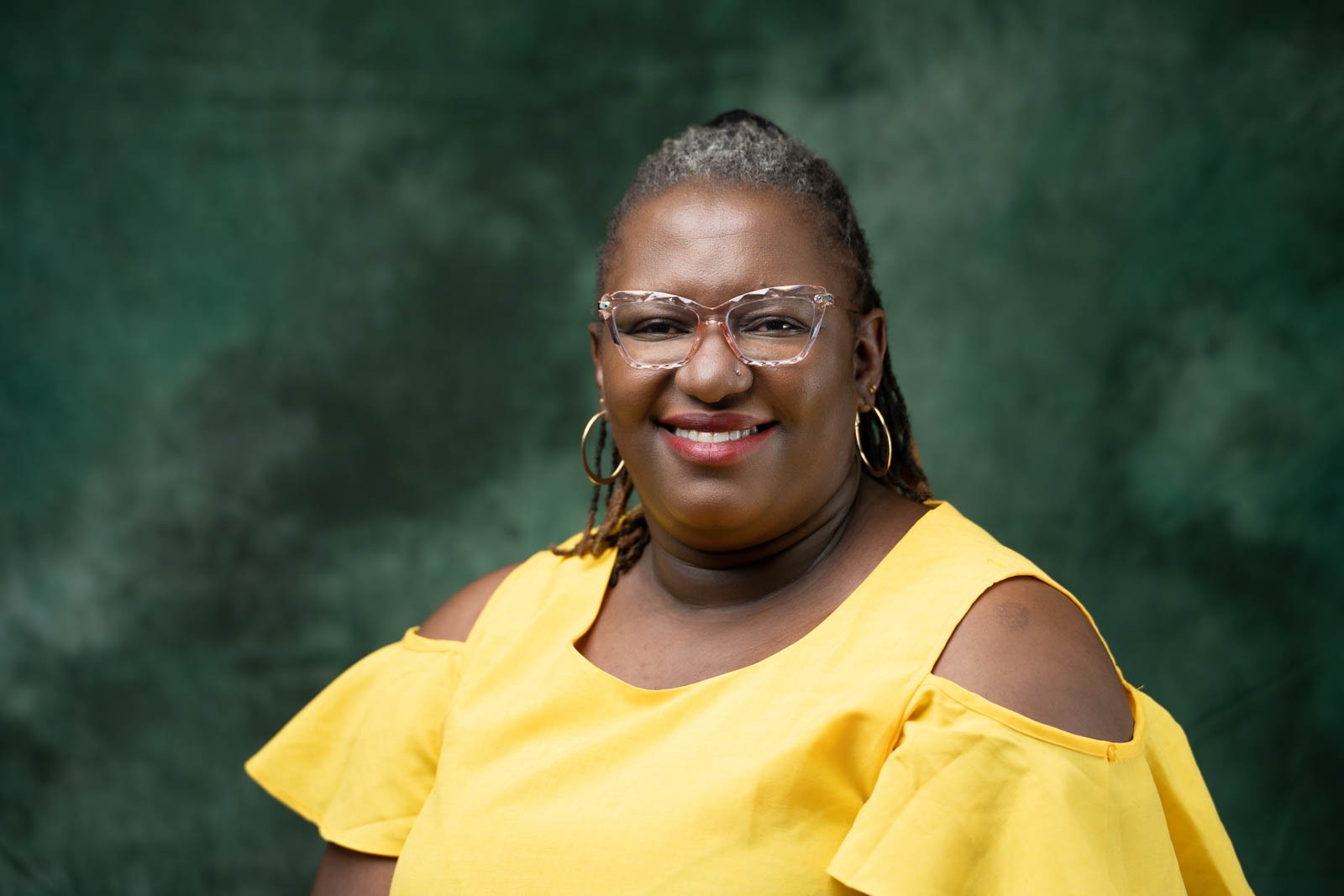
Christine Mutena’s story embodies a woman’s success shaped through adversity. From corporate leadership to caregiving, grassroots organising and global advocacy, her journey demonstrates how personal challenges can grow into movements…
Christine Mutena jokes that she has lived ‘several lives’ as she reflects on a journey she believes could fill a million lifetimes. Raised partly in Kisumu, partly in Machakos and mostly in Nairobi, she describes herself as a true city girl whose childhood had little exposure to disability or rare diseases. She recalls a “happy-go-lucky” upbringing within a typical African household where her father worked tirelessly to pay school fees while her mother ensured the home ran smoothly. Looking back, she recognises how those early years shaped her resilience, independence and strong sense of responsibility.
A sports enthusiast who loved chemistry and mathematics, Mutena’s early dreams centred on management and leadership. She imagined herself becoming a managing director or chief executive officer of a corporate organisation. These ambitions shaped the direction of her professional life long before she entered advocacy.
Career path…
Motivated by her love for mathematics, Mutena pursued computer science at Africa Nazarene University, a course that had been offered for less than five years at the time. The programme was new, experimental and demanding, requiring students to learn both hardware and software as technology in Kenya evolved rapidly.
While she appreciated the challenge and credits the course for teaching her adaptability, she admits coding never became her passion.
“It was hard and easy at the same time. It taught me how to embrace whatever is thrown at me,” she says, adding, “I tried programming, but I never liked it.” The experience broadened her thinking and prepared her for an unpredictable future.
Climbing the corporate ladder…
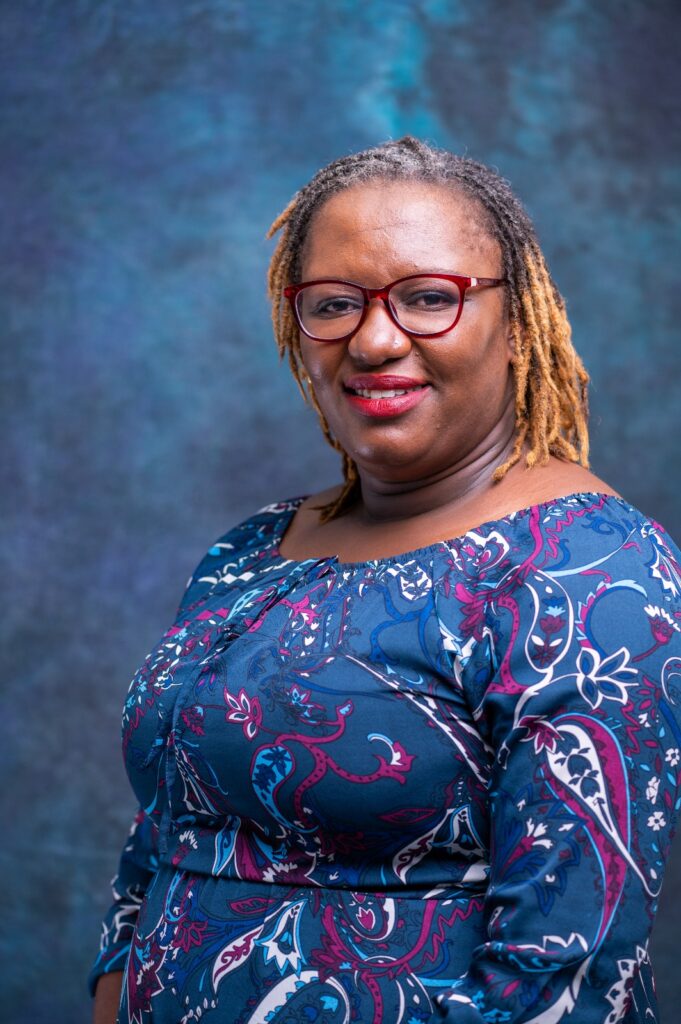
After graduating, Mutena secured her first role as a systems administrator in an insurance brokerage firm within a year. Her work involved managing networks, maintaining computer systems, and overseeing technical infrastructure during a period when local area networks were standard, and Wi-Fi was not yet widespread.
Between 2004 and 2012, she advanced professionally while pursuing a Master of Business Administration in Strategic Management at the University of Nairobi. As technology shifted toward mobile platforms and coding, areas she did not enjoy, she discovered a passion for organisational structures and leadership.
“I did a bit of human resources when I was working at the insurance brokerage firm. I had key ideas I wanted to try out to see if I could put systems and structures in place, and for me, that was quite interesting,” she recalls.
Her MBA opened doors to management, eventually leading to her role as Head of Information Systems and Human Resources. She later moved into a managerial role at a minimally invasive surgery centre, overseeing backend operations and administration until 2014.
Motherhood and the unravelling of expectations…
Motherhood marked a significant turning point. Like many parents, Mutena began the journey expecting to raise healthy children and celebrate joyful milestones. She envisioned guiding her daughters as her “mini mes”, believing parenting would be a smooth transition.
Her firstborn’s arrival brought unexpected medical challenges. “When my firstborn was born, there was an emergency, and she ended up in HDU (high-dependency unit). They noticed a few symptoms but did not initially think it was a rare disease. She was first diagnosed with hydrocephalus, which was what doctors treated. At three or four months old, she underwent brain surgery,” she explains.
Although reassured that recovery would restore normalcy, Mutena later noticed developmental delays affecting speech, mobility and intellectual growth. The diagnosis of her second daughter’s chromosomal anomaly became another defining moment. Without access to genetic counselling or clear information, she felt lost and overwhelmed.
Choosing caregiving…
Balancing medical appointments, therapy sessions and work responsibilities became increasingly difficult. In 2014, Mutena decided to leave her career and become a full-time caregiver.
The transition was emotionally and physically exhausting. She navigated hospitals, therapies and developmental challenges while raising two daughters with distinct rare conditions. With limited local information and minimal support structures, she learned to improvise solutions daily.
Her extended family provided acceptance and emotional support. She realised that how families treat their children influences how society responds to them, a belief that later shaped her advocacy.
Finding strength in community…
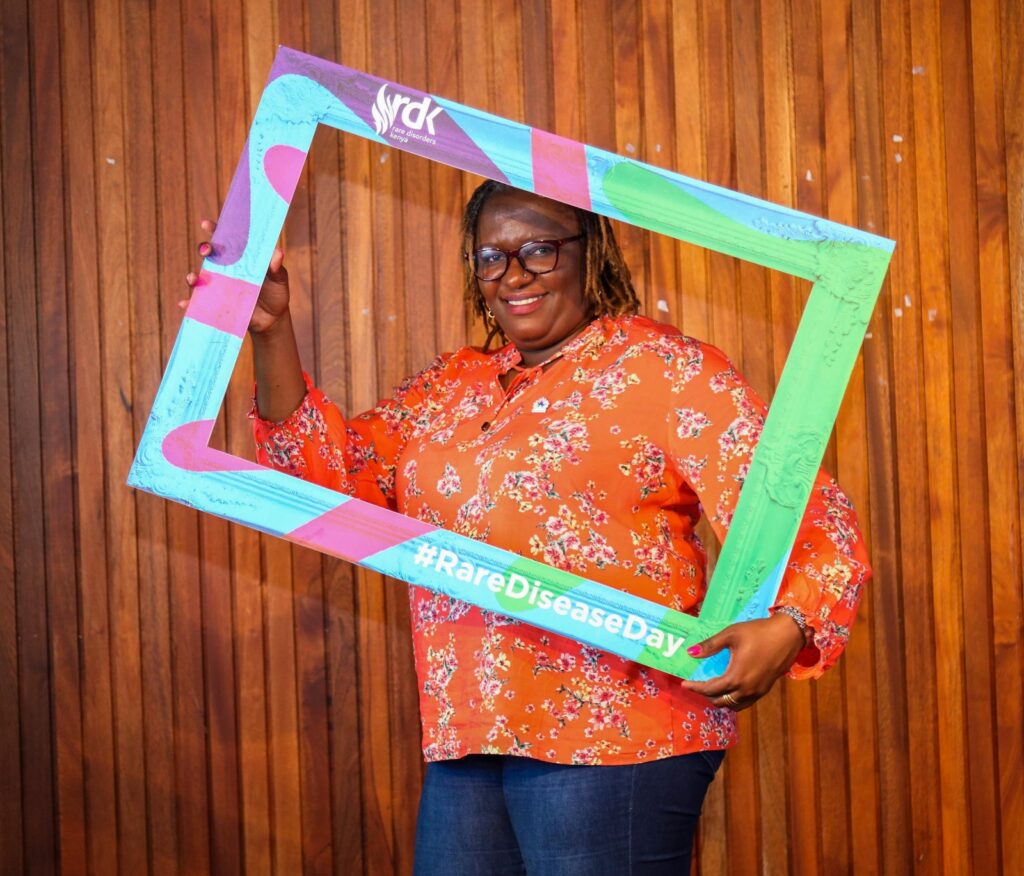
When she could not find a broad rare disease support network, Mutena created one. Step by Stones Association became a space for caregivers whose children did not fit into single diagnosis groups.
She explains that rare diseases affect fewer than one in 2,000 people, with about 72 per cent being genetic and many presenting in childhood. Through Step by Stones, she worked to fill information gaps and provide emotional support for families navigating similar journeys. Over time, the platform evolved into a safe space where parents shared experiences, medical information and encouragement during difficult moments.
“When I couldn’t find a support group, I decided to create one,” she says.
From personal advocacy to national movement…
Her advocacy expanded after discovering Rare Disease Day online in 2014. Inspired to raise awareness locally, she began organising events and mobilising parents. In 2018, together with co-founder Roselyn Kanja, she formally established Rare Disorders Kenya (RDK).
Today, the organisation supports families affected by more than 125 rare conditions nationwide, collaborates with the Ministry of Health and engages stakeholders in research and policy development. Its WhatsApp support group has grown into one of the country’s largest informal rare disease communities, providing real-time support to families who often feel isolated.
“The impact is snowballing. It keeps getting bigger and bigger. Giving back to society helped heal me. Helping the parent behind me also helped me cope,” she explains.
Advocacy challenges…
Early meetings with policymakers revealed limited awareness. Some Ministry of Health officials confused rare diseases with tropical conditions. Mutena notes that rare diseases were rarely covered in medical training and were often perceived as conditions that did not affect Africans.
Her work exposed systemic gaps in Kenya’s healthcare system, including limited referral pathways, the absence of national policies, and the lack of rare disease databases. These challenges continue to drive her involvement in technical working groups focused on national guidelines and healthcare reforms.
Through partnerships, including programmes that secured life-saving therapies for Gaucher disease, the organisation has demonstrated tangible impact and improved access to treatment for many families.
“We have people we call Friends of RDK who support our ideas. Through partnerships, children affected by Gaucher receive therapies that would otherwise cost parents up to 300,000 dollars per year,” she says.
Advocacy work, she emphasises, often goes unseen. Many leaders operate as unpaid volunteers while balancing caregiving responsibilities.
“There is no payslip at the end of the month. One just hopes that someone else’s journey becomes easier,” she reflects.
Global influence and policy leadership…
Mutena’s work extended internationally through her service on the Policy Committee for Rare Diseases International. She contributed to global advocacy priorities and participated in United Nations discussions on universal health coverage and rare disease recognition. Attending the UN General Assembly marked a major milestone in her journey from parent advocate to international policy contributor.
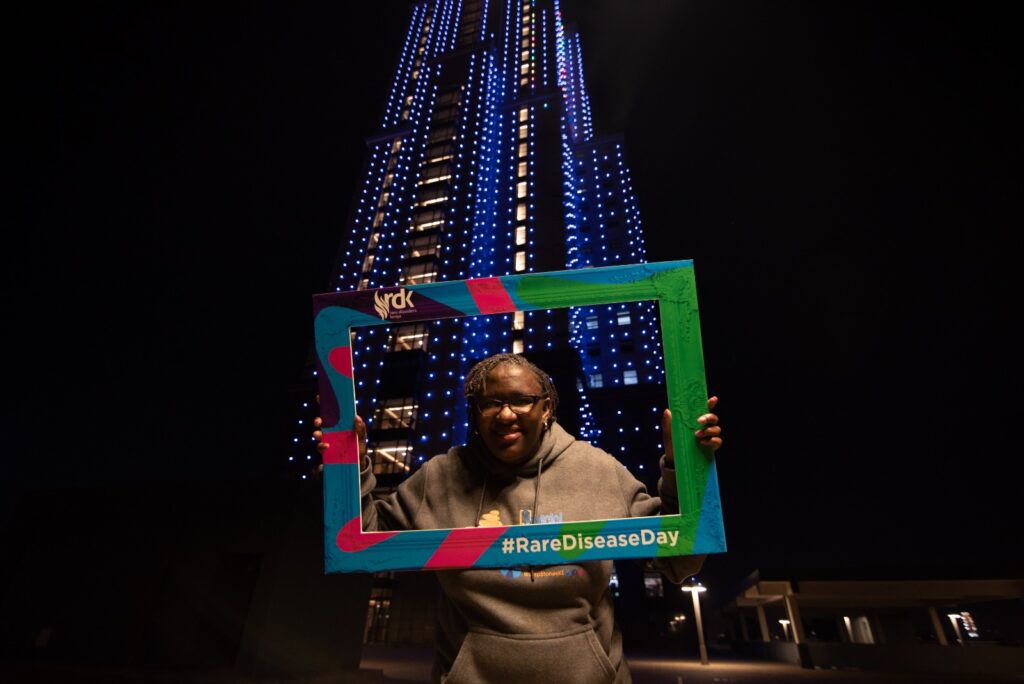
Despite her achievements, she admits to moments of imposter syndrome. “Sometimes I pinch myself and ask, ‘How did I get here?’”
Redefining strength and leadership…
She challenges romanticised ideas of resilience, describing strength as something shaped by circumstance. While acknowledging fatigue and vulnerability, she remains committed to community service.
Leading Rare Disorders Kenya has reshaped her sense of purpose. Unlike corporate achievements, advocacy provides a deep sense of fulfilment rooted in communal philanthropy and collective progress.
A vision for the future…
Her work focuses on early diagnosis, increased research and inclusive societies where individuals with rare diseases are fully integrated. She hopes healthcare systems will better recognise and support these communities.
When asked how she wishes to be remembered, Mutena responds with characteristic humility: She hopes to be seen as someone who never gave up on her children and whose inability to cure their conditions did not prevent her from aiding others in meaningful ways.
“I couldn’t change my children’s conditions, but I could change someone else’s journey,” she says.
Her story reminds readers that leadership is not always born in boardrooms. Sometimes it begins in hospital corridors, support groups and late-night searches for answers, growing into movements that transform lives.
This article was originally published in Issue 448 — International Women’s Day Issue
For more, click HERE to join our WhatsApp channel!

Add Comment