
How to create an environment where your kids tell you everything
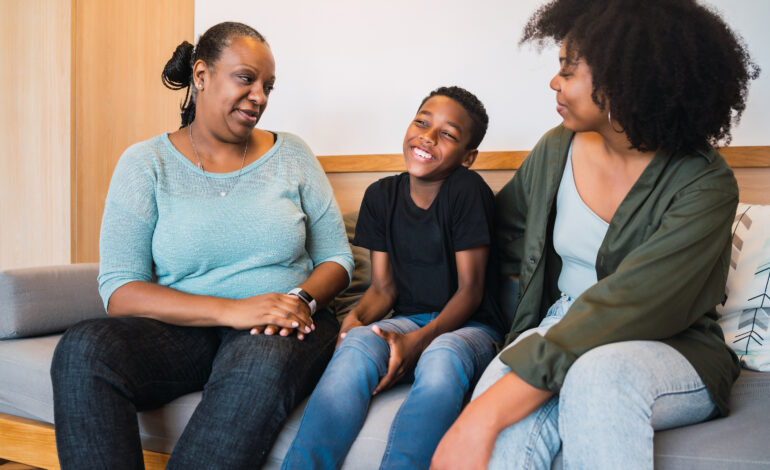

Picture this: Your child walks through the door, eyes bright with excitement or heavy with worry and shares every detail of their day without fear or hesitation. No secrets. No walls. This kind of openness doesn’t happen by chance. It is built over time.
In a world where children face academic pressure, social media influence and peer expectations, creating a home where they feel safe to speak openly is one of the greatest gifts a parent can offer.
Trust comes first

Children confide in adults they trust. Trust grows when parents are consistent in both words and actions. When reactions are calm and predictable, children learn that honesty is safe.
Avoid overreacting to small mistakes. For example, if your child admits to a disagreement at school, acknowledge their honesty before jumping to solutions or consequences. Responding with empathy reinforces the idea that vulnerability will not be met with judgment or punishment.
The power of listening

Listening is more than hearing words. It’s showing your child that their feelings matter. Put away distractions, maintain eye contact and give them your full attention when they speak.
Ask open-ended questions such as, “How did that make you feel?” instead of questions that invite one-word answers. Practice reflective listening by paraphrasing what they say.
Research from child psychologists shows that children who feel heard are far more likely to open up about serious issues like bullying, anxiety or peer pressure.
Everyday conversations
Meaningful conversations often happen during ordinary moments. Device-free family dinners, evening walks or car rides create natural opportunities for children to talk.
Introduce routines like a nightly check-in, where everyone shares. It doesn’t have to be everyone at once, maybe everyone by themselves to you. This practice normalises openness and shows children that talking about feelings is part of everyday life.
Lead by example
Children learn openness by watching it. Share age-appropriate stories about your own challenges, mistakes or lessons learned. This shows them that imperfection is human and that talking through difficulties is healthy.
At the same time, respect your child’s privacy. Avoid reading diaries or secretly checking devices, as these actions can damage trust quickly. A child who feels respected is more likely to speak willingly.
Healthy boundaries
Boundaries create safety, but they work best when children understand the reasoning behind them. Instead of “because I said so,” explain the why behind rules and expectations.
When challenges arise, such as online conflict or peer pressure, invite your child into the problem-solving process. Working together builds confidence and keeps communication channels open.
Also Read: The significance of setting boundaries and routines for children
Support every age

Younger children may express themselves best through play, drawing or storytelling. These tools help them communicate emotions they can’t yet articulate.
Teenagers, on the other hand, value independence. Give them space, but remind them consistently that you are available and willing to listen. No topic is off-limits, and definitely no judgment attached.
When trust is broken
Even in the healthiest of homes, trust can be broken. When it happens, rebuilding requires patience, honesty and consistency. Apologise when necessary and demonstrate through your actions that you are committed to change.
Start small. Listen more. Judge less. Over time, your home can become a place where thoughts, fears, and dreams are shared freely, as well as a place where strong relationships are built for life.
If you’re looking for more ways to strengthen your family’s daily rhythm, explore our parenting page or check out our latest guide on What to Consider When Enrolling Your Child in Their First School
Read the Special Festive Issue
For even more, click HERE to join our WhatsApp channel.