










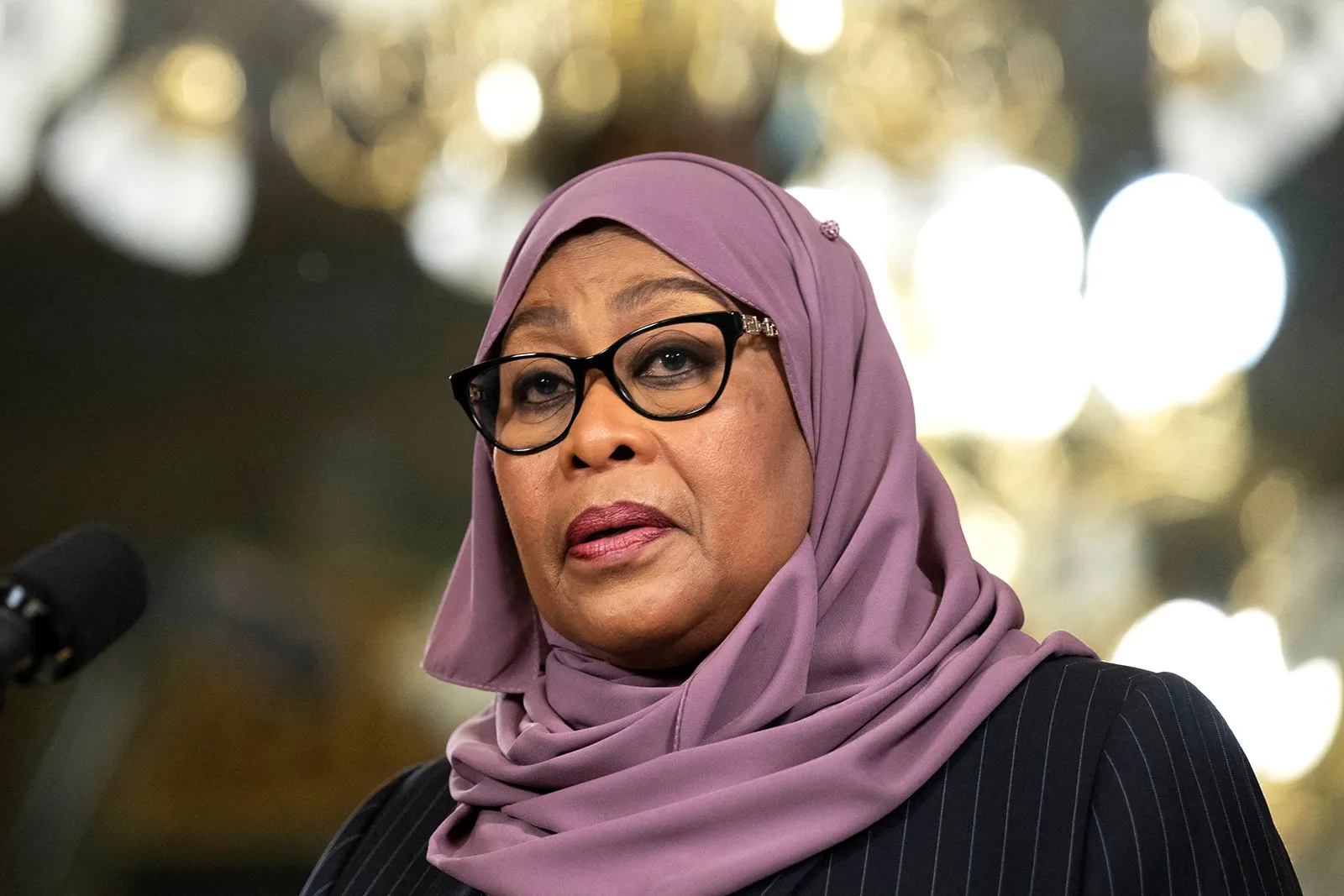
When Samia Suluhu Hassan became Tanzania’s first female president in 2021, the world applauded. She was celebrated as a symbol of progress; a woman, a mother and a leader who promised to bring empathy and reform to a nation long ruled by iron-fisted politics. She was affectionately called “Mama Samia,” the calm voice after years of hardline leadership under the late John Magufuli.
But four years later, the “mother of the nation” image feels like a distant promise.
As Tanzania emerges from a tense election held yesterday, the nation remains divided and uncertain.The streets of Dar es Salaam tell a different story, one of protests, curfews, and fear. Opposition voices are jailed or disqualified, internet access has been shut down, and human rights groups say political freedoms are shrinking faster than ever before.
It’s a painful contradiction. The same leader once praised for her compassion and diplomacy is now accused of presiding over a government that silences dissent and rules through intimidation.
For many Tanzanians, especially the youth, Mama Samia’s leadership has become a source of disappointment. “She came in like a mother,” one young activist told a local outlet, “but she now governs like a general.”
Her early agenda, the Four Rs: Reconciliation, Resilience, Reform, and Rebuilding, gave people hope that she would undo years of fear and restore public trust. She reopened media houses, freed political prisoners, and promised unity. But as elections approached, that softer tone hardened. Opposition rallies were banned again, and even within her ruling party, dissenting voices disappeared, sometimes literally.
It’s a reminder that power can transform even the most well-intentioned leader.
Her defenders argue that she faces pressure in a male-dominated political system and that tough choices are necessary to maintain stability. But critics say that excuse no longer holds, not when ordinary Tanzanians are being silenced for simply asking for fairness.
For women who once looked up to her, the disappointment cuts deeper. “She made us believe women could lead differently,” says Celina Ponsiana, a young voter in Dar es Salaam. “But now she’s proving power doesn’t change because of gender.”
The motherly nickname “Mama Samia” once carried warmth and reassurance. Today, it feels hollow to many, a title that masks the cold realities of repression and fear.
And perhaps that’s the real lesson for parents and citizens alike: titles don’t define character, actions do. A nurturing image, no matter how carefully crafted, means little if it doesn’t translate into empathy in leadership and justice for all.
As the world watches Tanzania, one question lingers, what kind of mother silences her children when they cry out for help?




Add Comment