










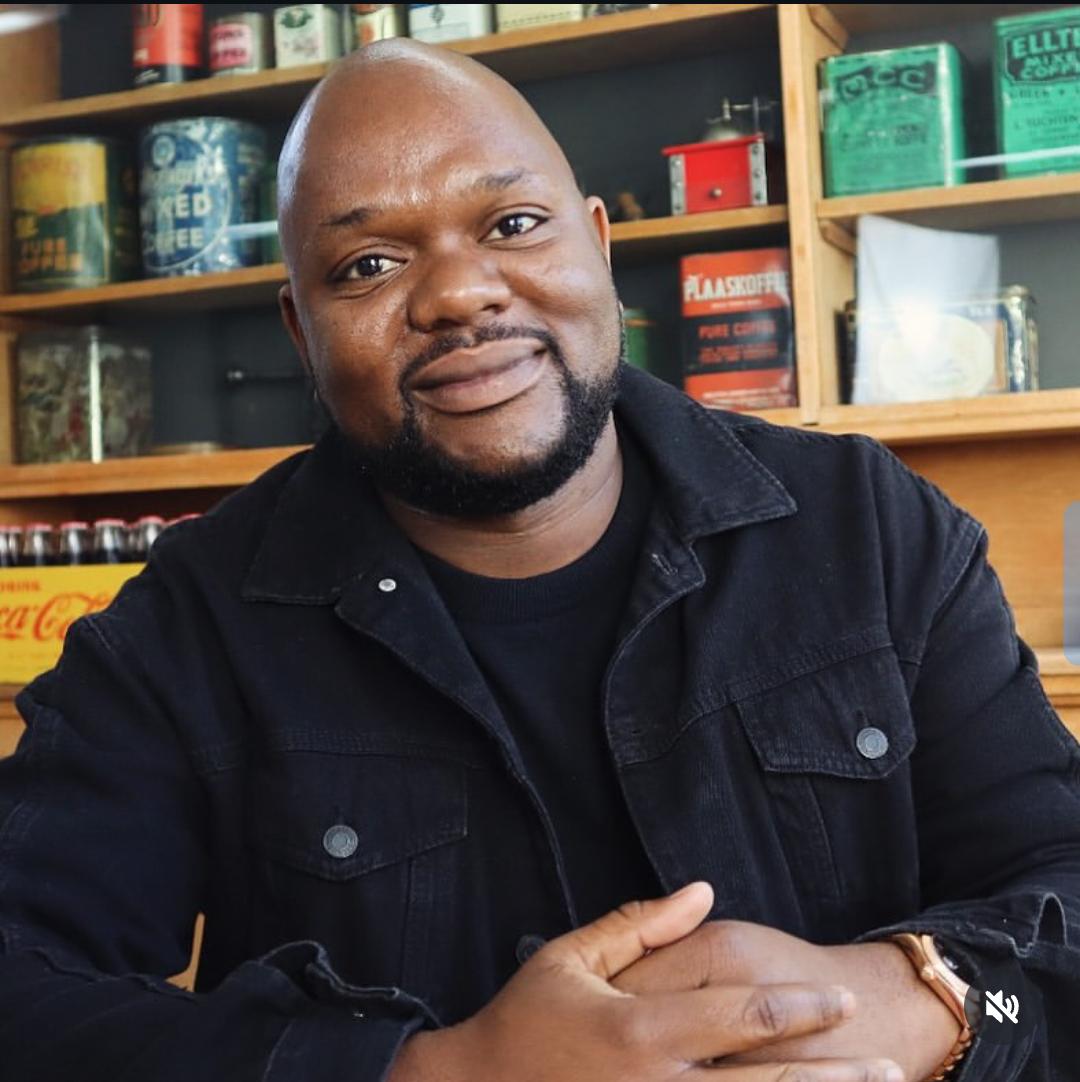
“We don’t talk about this enough, but no one is at risk of failure more than upper middle-class kids.”
That’s the gut-punch opening line from Tendai Luwo in a video that has sparked an important and often uncomfortable conversation about privilege, parenting and preparedness for real life.
In his candid reflection, Luwo argues that upper middle-class children may face a unique and largely overlooked risk: growing up with comfort, but without the resilience required to navigate adulthood independently.
His message resonates widely, particularly among young adults who were raised in stable, well-resourced environments but now find themselves struggling to meet the demands of the real world
Growing up close to privilege
Children raised in upper middle-class households are often afforded significant advantages. They attend reputable schools, participate in extracurricular activities and are supported by parents who work diligently to provide opportunities and stability.
However, as Luwo explains, proximity to wealth can sometimes create a misleading sense of security. Many of these children grow up alongside peers from significantly wealthier families, where resources, networks and generational support are far more extensive.
This exposure can blur the lines between comfort and true financial security. While upper middle-class families can provide a strong foundation, they may not have the long-term safety nets or influence that ultra-wealthy families possess.
The risk of complacency
One of the central concerns raised is the potential for complacency.In environments where basic needs are consistently met and opportunities are readily available, some young people may not feel an immediate sense of urgency about their future. Academic performance, career planning and personal discipline can sometimes take a back seat under the assumption that things will eventually work out.
This is not necessarily a result of neglect or poor parenting, but rather an unintended consequence of a comfortable upbringing. Without early exposure to hardship or limitation, the development of resilience and self reliance may be delayed.
Transition to adulthood
The challenges often become more apparent during the transition into adulthood.As young people enter competitive job markets and begin to navigate independence, they may encounter a reality that differs significantly from their expectations. Professional success is no longer tied to background or schooling alone, but to performance adaptability and persistence.
At this stage, many realise that parental support .. while still valuable, has its limits. Opportunities are no longer guaranteed, and the responsibility to succeed shifts fully onto the individual.
A complex middle ground
Luwo’s perspective highlights a broader social dynamic. Individuals from lower-income backgrounds often develop resilience early due to necessity, while those from extremely wealthy families may benefit from extensive safety nets and influential networks.
Upper middle-class individuals, however, occupy a more complex middle ground. They experience comfort without absolute security, and exposure without full access to elite-level resources.
This position can create unique pressures and, in some cases, leave individuals underprepared for the realities of adulthood.
For parents, this conversation presents an important reflection point. Providing a stable and comfortable upbringing remains a fundamental goal. However, it is equally important to ensure that children are equipped with practical life skills, a strong work ethic and an understanding of the effort required to sustain success.
Preparing children for the future involves more than access. It requires intentional exposure to responsibility, accountability and real world challenges.
For young adults who identify with this experience, the message is not one of blame as Luwo puts it, but of responsibility.
While upbringing plays a significant role in shaping perspective, it does not determine long-term outcomes. Recognising potential gaps in resilience or preparedness is the first step towards growth.
The goal is not to criticize comfort, but to balance it with preparation.




Add Comment