
Solo-Parent Survival Guide: Managing the New Year Rush When You’re Doing It All
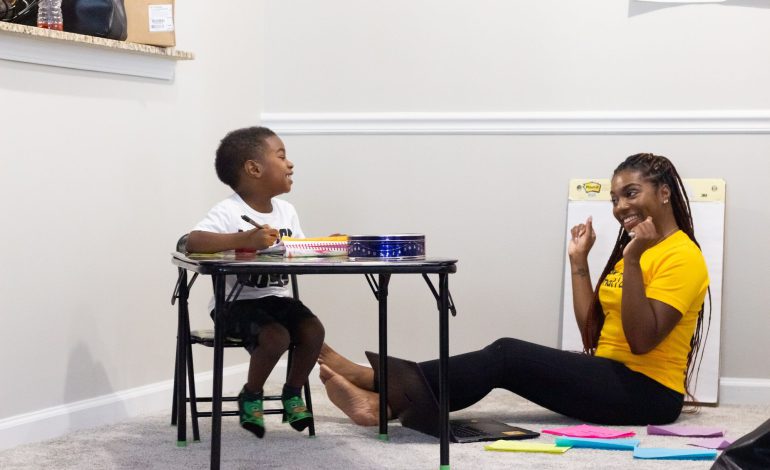

The turn of the year is often marketed as a time for grand reinventions and ambitious resolutions. However, for a solo parent, the transition from the holiday haze into the “New Year rush” can feel less like a fresh start and more like a tactical challenge. When you are the sole navigator of your household’s logistics, emotions, and finances, the pressure to hit the ground running can lead to immediate burnout. Survival in this period isn’t about doing more; it is about radical prioritisation and streamlining your energy.
Audit your energy before your schedule
Most New Year advice focuses on time management, but for the solo parent, energy management is far more critical. Before you fill your calendar with school forms, extracurricular sign-ups, and professional goals, take an honest look at your current capacity.
The post-holiday slump is a real physiological state. Instead of forcing a high-productivity mindset, allow for a “buffer week” where the only goal is to return to a baseline routine. By acknowledging that your energy is a finite resource, you can make smarter decisions about which tasks are non-negotiable and which can be deferred until the mid-winter lull. Protecting your peace is the most productive thing you can do for your children.
Minimalist routine
When you are the only adult in the room, complex systems eventually fail. The New Year rush is the perfect time to strip your daily routines down to their most functional parts. This is the season for “low-friction” living.
Consider automating as much of your mental load as possible. This might mean adopting a simplified, repeating meal plan for the month of January or setting up recurring grocery deliveries to avoid the chaos of the store with children in tow. In the morning and evening, focus on the “Rule of Three”: identify three essential tasks that must happen for the day to be a success. Everything else is a bonus. Reducing the number of daily decisions you have to make prevents decision fatigue and keeps you from feeling overwhelmed by the rush.
Strategic outsourcing and community trading
Doing it all does not have to mean doing it all alone. The New Year is an excellent time to look at your “village” and see where you can trade skills or time. If you cannot afford professional help, look for “micro-collaborations” with other parents who may also be struggling with the January transition.
A simple trade—such as picking up a neighbour’s child from practice in exchange for an hour of quiet time later that week—can be a lifesaver. Additionally, lean on school and community resources. Many after-school programs or local libraries offer extended hours or specific activities in the New Year. Utilising these isn’t an admission of defeat; it is a strategic use of the resources available to ensure you have the space to manage your own responsibilities.
Lower the bar on New Year’s resolutions
The pressure to “start fresh” often results in solo parents setting goals that require more time than they actually have. This year, redefine what a resolution looks like. Instead of adding a new habit that requires extra labour, consider a “subtractive resolution”—choosing something to stop doing.
Perhaps you stop trying to keep the house showroom-ready, or you stop saying “yes” to volunteer commitments that drain your spirit. If you do want to set growth goals, focus on “micro-goals” that fit into the cracks of your day, such as five minutes of intentional breathing or a ten-minute walk. Success as a solo parent in the New Year is measured by consistency and stability, not by how many boxes you checked on an aspirational to-do list.
Prioritise emotional regulation over perfection
The New Year rush often brings a spike in collective family stress. Children are adjusting back to school schedules, and the household atmosphere can become tense. In these moments, your most important job is to be the “emotional thermostat” for your home.
If the house is messy or the dinner is late, it matters far less than how you respond to the chaos. Prioritising your own emotional regulation—whether through early bedtimes for yourself or carving out moments of silence—allows you to handle the inevitable hiccups of solo parenting with more grace. When you stop chasing perfection, you create a space where both you and your children can navigate the rush with resilience rather than resentment.
Read the Special Festive Issue
For more, click HERE to join our WhatsApp channel