









While exercise is a good way to lose weight, it may not be an option for some people due to various factors including health concerns. If you can’t exercise, you may want to reduce the number of calories you consume by making proper dietary choices and adopting other strategies that don’t involve exercise. Here are some of them.
Drink more water
Water is essential to the body not only for good skin but also for aiding digestion. Taking it in between meals and or before a meal leads to greater weight loss. Carry around a bottle of water that you can sip while going about your daily business. This is a better replacement for sugary beverages such as soda.
Eat more fibre
Fibre expands is a natural appetite suppressant. Research shows that fibre has a beneficial impact on good gut bacteria that help produce hormones that tell your brain you’ve had enough to eat.
An increase in fibre intake will however require more water to avoid constipation.
Eating mindfully
It is common for people to eat in a rush to be done with it. They also tend to get distracted which may lead to eating more. The brain needs to send a signal that you are full which would be a challenge when you’re gobbling down your food.
Next time you are eating, put away distractions and concentrate on your meal.
Don’t drink your calories
Drinking calories such as those in sugar beverages is less satisfying than eating them thus may lead to weight gain.
Watch your portions
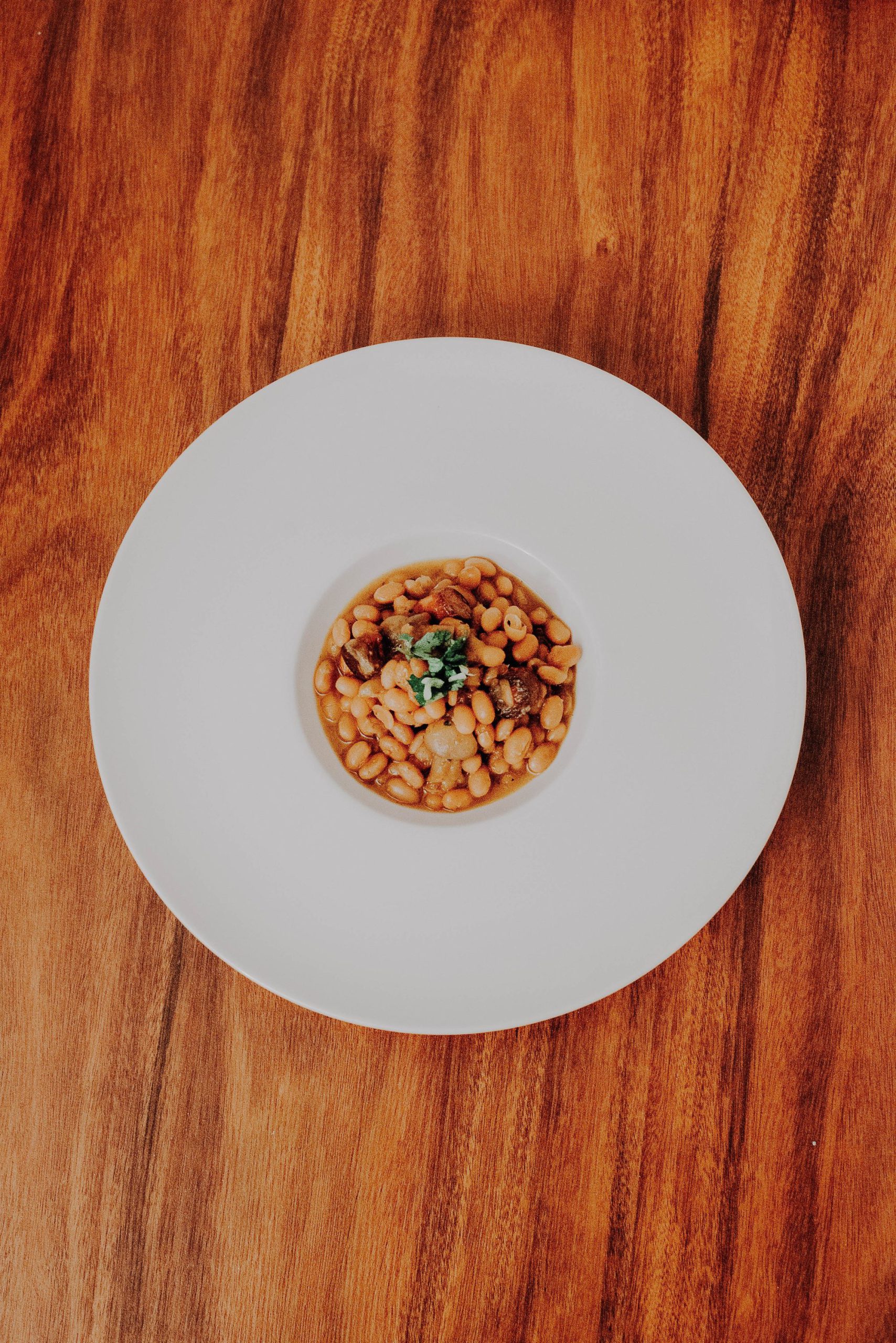
By using a small plate in place of a large one, you are likely to take in fewer calories. Doing so tricks the brain into thinking that you’re eating more than you are.
READ ALSO: Weight loss: 7 steps to stop emotional eating
Eat more proteins
Proteins influence the production of satiety hormones thus naturally helping you feel full. Proteins also take longer to be digested so not much calories are stored.
A serving of 20 grams per meal for lean proteins such as chicken, turkey, eggs, fish and low-fat dairy is necessary.
Stash food out of sight
A study found that obese people are more likely to keep food around their sight and reach. It is important to have your food away especially junk and if you can’t avoid it, put fruits instead.
Avoid stress
Stress spikes the hormone cortisol which increases glucose in the bloodstream. Studies show that people tend to eat more if they have high cortisol reactors.
To avoid this take time every day to do something that lowers your stress levels such as reading a good book, meditating, listening to chilled music and so on.
Write your food down
Writing down what you eat is an effective way as it helps you keep tabs on your eating habit. That way, you’ll be able to identify any unnecessary indulgence you might be overdoing.
Get enough sleep
Sleep deprivation can cause weight gain. The body signals hunger raises cortisol levels and the body holds on to fat in case of sleep deprivation.
Adequate sleep helps regulate hormones related to hunger. So get at least 7-8 hours of uninterrupted sleep.
Remember
Weight loss takes time and demands lots of patience. Once in a while you may run into setbacks but exercising patience will reward you. Also, remember that a healthy lifestyle should be your main motivation.