









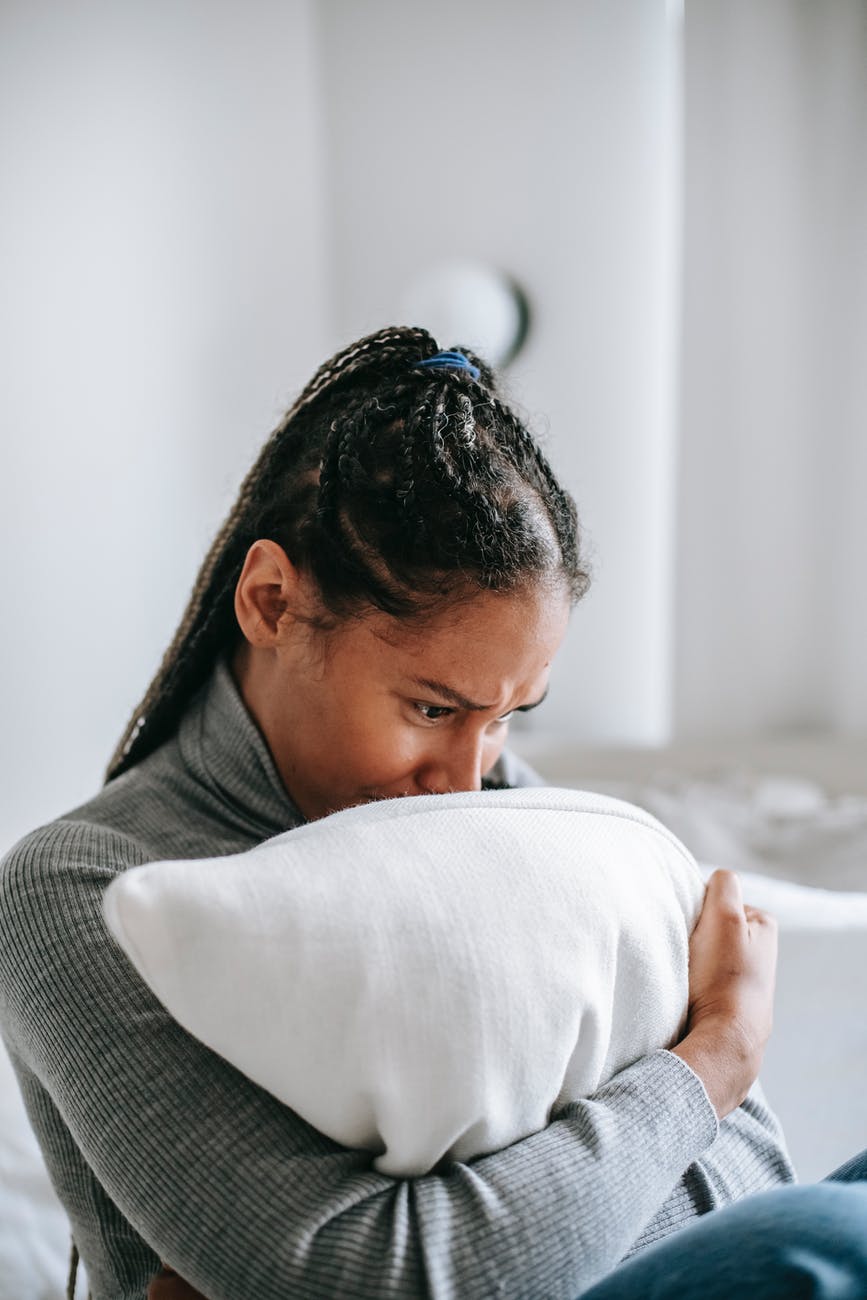
A miscarriage is a sensitive topic to parents out there who have gone through the turmoil. Inasmuch as it hurts to lose a child, people have to comprehend that miscarriages happen for a variety of medical reasons, many of which are not within a person’s control.
Unfortunately, the miscarriage process cannot be reversed once it has started. However, there are things that need to be done and considered after it occurs and they are as follows;
What to do after a miscarriage
Ensure the womb is clean. Treatment involves a surgical procedure known as dilatation or curettage. It removes any pregnancy tissues from your uterus to prevent certain types of complications.
What to expect
Bleeding like you are having menstrual period for a few days. Note that the normal cycle should return after 6 weeks.
Anger will become your constant companion. One ends up feeling ashamed, guilty and remorseful when clearly it was not your fault that it happened.
Being in a state of denial. This can make one to feel distressed but staying in this state for long can interfere with your treatment.
Depression and a sense of despair may prevail after a miscarriage.
Do’s to put into consideration
Stay hydrated by drinking a lot of water.
Do light exercise like going for a walk, doing butterfly wing and pelvic tilting exercises.
Get enough sleep and a lot of rest especially for the first 24-48 hours.
Adopt a healthy diet. Ensure your nutrition is on point and that will only reflect if you take in a balanced diet.
Take medication as prescribed by the gynecologist.
Monitor your temperature levels from time to time.
Avoid sex for a couple of weeks.
Go for regular checkups.
Taking care
No insertion of anything in the vagina; things such as tampons or engaging in sex.
Do not try to conceive until you have completed at least one menstrual cycle and it should come at least a month after the miscarriage.
Take prenatal vitamins and folic acid supplements everyday or as prescribed by the doctor.
Keep your weight consistent as much as possible.
When to see a doctor
When you notice heavy vaginal bleeding. The after bleeding should not last more than three weeks.
Having an endless fever. If not attended to, it may lead to infertility.
Persistent abdominal pain that comes in form of cramps.
Foul smell/discharge persisting after the miscarriage.
Take home
The wound will definitely leave a scar and the gap left will forever be felt but that does not mean you will not get through it all and have another child. Ensure to accept and be open to a positive tomorrow.
Feature photo: pexels