










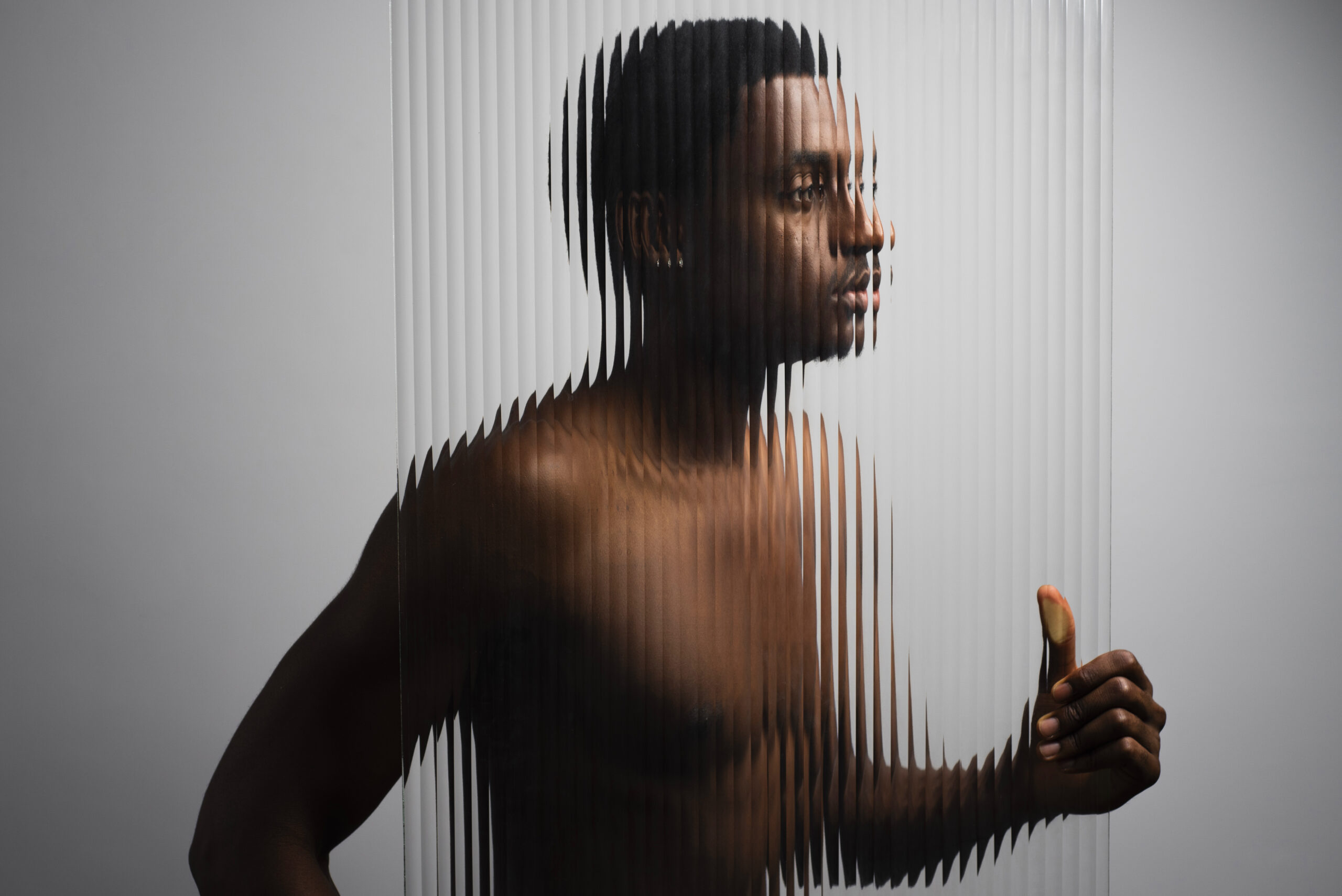
Across media, body standards that seem straight out of a fantasy book bombard us. People reiterate this image across generations, and slowly but surely, the media ingrains such ideals in our thoughts. Here’s how the phenomenon of body dysmorphia (BDD) has evolved.
Body Dysmorphia/Body Dysmorphic Disorder (BDD)
Body dysmorphic disorder, or body dysmorphia, is a mental illness related to OCD (obsessive compulsive disorder) that affects both men and women. BDD is a chronic ailment brought about by one’s perception of their body. Real or imagined physical features, not limited to hair and skin, or unique traits perceived as ‘flaws,’ can trigger it.
What is a typical day with BDD like?
You wake up, and as you pass the mirror. You can’t help but stare. There’s something off; you don’t remember the last time you found anything positive about your bare body. You want to change ‘it.’
You quickly cover up. The world simply can’t see you like that, so you change outfits, style them, and even accessorise if it means nobody sees the real you. You’re not new to the pretence game, but you’re not sure you like it.
That isn’t always the case. On other days, it’s hard to get out of bed. So many questions we need to answer. Why isn’t your body ideal? Why can’t you look like people on TV?
The grass isn’t always greener
It doesn’t feel real. Everywhere you look, people are staring at you. They know you have a secret; they can’t quite figure it out. But everyone’s got secrets.
Living with body dysmorphia is tough. We idealise the body standards of people we think are more attractive than us.
We assign ‘god’ status to ripped and snatched individuals, ignoring the fact that no two strands of DNA are alike.
Limits of fitness
The fit lifestyle, which promotes consistency and community, has a dark side. Bodybuilders and strength trainers often feel compelled to be bigger, despite impressive gains. Compulsive exercisers will feel the urge to work out even if it poses a risk to their well-being or that of others.
Put yourself in their shoes
It takes a special kind of person to be appreciative of others’ strides. Whether it’s a new car, a budding relationship, or a promotion. Jealousy is a natural emotion. Everyone has felt a hot flash of rage or that indescribable throat lump over somebody else’s triumph.
That doesn’t make you a monster; it just means that you have to perceive others’ qualities as your own and appreciate them.
Forgo the norm
We pass down body standards. From the way we are raised to the cues we pick up from conversation and media. Ever heard the question: ‘She’s so pretty, why isn’t she married?’
There’s subtext there, an ideology that dictates only pretty women should be married. But pretty is relative, and it simplifies human connection. Not all romantic and interpersonal relationships thrive solely because they include an attractive partner.
To counter this, we must speak positively to ourselves and those around us. Start by complimenting the ‘flaws’ of those around you. See the prettiness in everything; only then can you begin to attract positivity into your life.
Expose yourself
I’m going to tell you the truth. It is going to be distressing, and you may not like it. It might be one of the hardest things you’ll ever do. Whether it’s being flat-chested, having a paunch, or a little roundness in your hips and buttocks. To truly make progress, you need to practice exposure.
Luckily, no skinny dipping or streaking is involved. Simply reveal your quirks to the world. Do not cover up what you want to hide. Embrace it. Own it, and when you accept those little bits of yourself and stop being so critical about your body, you will realise that you can begin to accept yourself as a whole.




Add Comment