











Women often carry the weight of countless responsibilities, managing careers, households, and family needs, yet their own health frequently takes a backseat. Prioritising wellbeing is not merely a personal choice; it is a cornerstone for living a balanced, empowered life.
Dr. Flavia Bagatya, a medical doctor specialising in women’s health at Zuri Health, emphasises that proactive care is essential, enabling women to thrive physically, mentally, and emotionally at every stage of life.
Understanding Preventive Health
“From a professional perspective, preventive health refers to taking deliberate steps to reduce the risk of developing disease and to maintain good overall health,” explains Dr. Bagatya. This approach goes beyond treating illness after it arises. It involves adopting healthy habits such as eating a balanced diet, engaging in regular physical activity, getting adequate sleep, and attending recommended screenings for early detection of potential health issues.
Why Women Should Prioritise Their Health
For women, proactive healthcare is particularly important. “Many people are not aware of the hormonal fluctuations women experience from adolescence onwards, and these vary from one individual to another,” Dr. Bagatya notes. These natural changes, she says, can influence a woman’s susceptibility to conditions like hypertension or diabetes. Combined with the demands of work, family, and societal responsibilities, neglecting health can have far-reaching consequences.
ALSO READ: Early Warning Signs of Diabetes and How to Protect Your Health
Commonly Overlooked Health Issues
Dr. Bagatya observes that some conditions often go unaddressed because their symptoms seem mild or non-disruptive.
For example, polycystic ovarian syndrome may only prompt medical attention once complications such as infertility arise. Similarly, certain sexually transmitted infections, like chlamydia, may progress to pelvic inflammatory disease if untreated, which can affect fertility.”
Painless breast lumps or abnormal vaginal discharge are also frequently ignored until they worsen, often due to a lack of awareness or the assumption that the problem will resolve on its own.
Lifestyle Choices Matter
The doctor emphasises that daily habits have a profound impact on long-term health. Diet, exercise, sleep, and stress management all contribute to hormonal balance, immunity, and the prevention of non-communicable diseases like hypertension, diabetes, and certain cancers. “When done right, these factors strengthen immunity and reduce the risk of developing serious conditions,” she says.
Routine Screenings: What and When
Regular health screenings are vital for early detection. Dr. Bagatya outlines key recommendations: hypertension screening from age 18, diabetes from 35, breast cancer from 20, cervical cancer from 21, and HIV from 13 years respectively. Despite fears or discomfort, these tests are usually mild and provide reassurance.
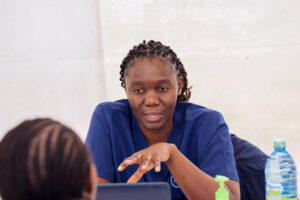
Many women worry about discomfort associated with certain screening tests, particularly cervical cancer screening. In reality, the discomfort is usually mild. Breast examinations and imaging are generally painless, unless there is an existing abnormality. There is also often fear of the unknown or the worry that ‘something might be found’. However, not all tests reveal a problem, and when a condition is detected early, treatment is usually simpler, more effective, and less costly. Early screening offers reassurance and answers.”
The Role of Mental Health
Physical health cannot be separated from mental wellbeing. Chronic stress affects reproductive health, fertility, blood pressure, and immunity. “Poor mental health makes it difficult to function fully at work, home, and in the community,” Dr. Bagatya explains. “Chronic stress leads to increased levels of certain hormones, which can disrupt reproductive health, affect fertility, and raise the risk of conditions such as hypertension.” Addressing mental health is therefore a key part of preventive care, ensuring women can live productive and fulfilling lives.
Support Systems: Partners, Families, and Workplaces
Health is not solely an individual responsibility. Partners, families, and workplaces play a crucial role in supporting women. “Encouraging regular screenings, noticing changes in health, and promoting early medical care makes a huge difference,” she says, adding that workplaces can be more supportive by providing access to emergency sanitary products.
Support for women transitioning through menopause is also important and may include access to gynaecological services and creating a culture where open conversations are encouraged in order to reduce stigma and increase awareness.
At home, sharing responsibilities is essential, and there should be a shift towards more balanced roles so that women feel supported and are not forced to endure hardship
Dispelling Myths and Misconceptions
Dr. Bagatya also addresses prevalent myths. Infertility is often wrongly assumed to be only a woman’s issue, when in real sense, male factors also play a significant role. There are also misconceptions about the HPV vaccine including the false belief that it is intended to cause infertility or reduce population growth.
“In countries like Australia and Ireland, cervical cancer has been virtually eliminated in women under 25 due to the HPV vaccine,” she notes, highlighting its efficacy in preventing cervical cancer.
Balancing Caregiving and Self-Care
For women juggling multiple roles, self-care is not selfish but a necessary priority. “When a woman’s health is neglected, she cannot support her family as effectively. Resting and prioritising wellbeing should be considered essential, not indulgent,” Dr. Bagatya advises.
It is therefore important for every woman reading this to understand that it is entirely acceptable to rest when needed: the world will not stop because you have taken a break, and that placing your own wellbeing first is not selfish, but necessary.”
Accessible Preventive Measures
Even without regular access to healthcare, women can adopt simple preventive habits: eat a balanced diet rich in fruits and vegetables, reduce processed foods, engage in regular physical activity, and get sufficient sleep of 7 to 9 hours. These steps boosts immunity, regulate hormones, and reduce the risk of chronic illness, including some cancers
Digital platforms are also reshaping how women approach preventive care, making information and services more accessible. One such example, she says, is Petals by Zuri Health, a women’s health platform that offers early screening guidance, reproductive health information, and continuous wellness support. This enables women to understand their bodies better, identify risks sooner, and access trusted medical advice remotely.
Policy and Systemic Support
To further support women’s preventive health, Dr. Bagatya advocates for systemic changes: “Workplace wellness programmes should be standard, with access to exercise, nutritious meals, and gynaecological services. Integrating these initiatives into schools and Primary Health Care Clinics will improve access for women, particularly in underserved areas.”
Preventive health is a powerful tool that enables women to live healthier, more empowered lives. By prioritising screenings, lifestyle choices, mental health, and self-care, supported by family, partners, and workplaces, women can significantly reduce their risk of serious illnesses and enhance their overall quality of life. As Dr. Bagatya reminds us, “Placing your own wellbeing first is not selfish, but necessary.”




Add Comment