










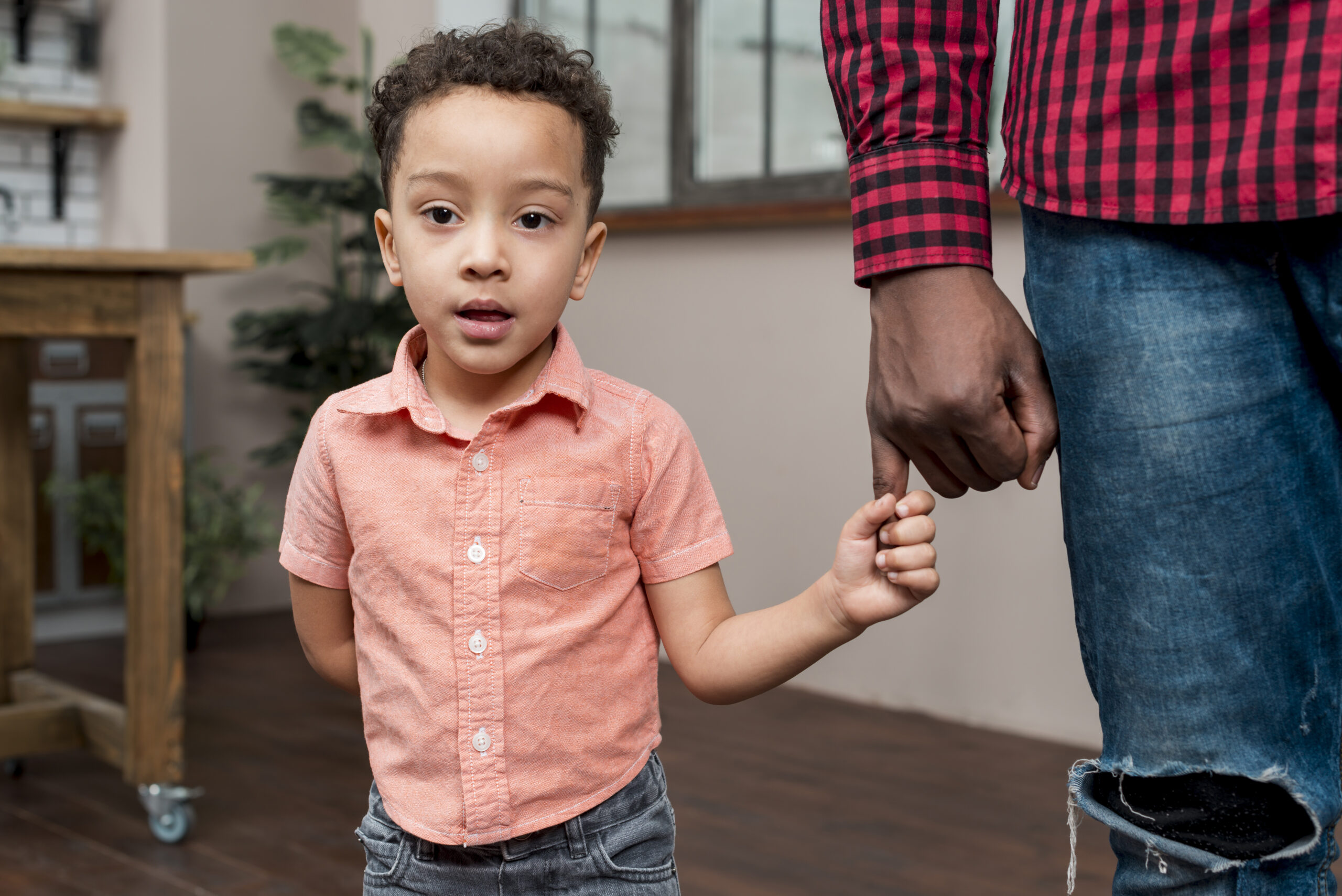
“I don’t want my child to suffer the way I did.” This is a sentence many parents quietly carry and, increasingly, one they are acting on. From stepping in to solve problems to creating more comfortable, emotionally safe environments, today’s parents are shaping what childhood looks like. But as this “soft life” approach gains ground, the question emerging is whether protecting children from hardship also protects them from growth?
What it means to be a child
For many adults, childhood memories are tied to discipline, strict expectations, and learning through hardship. You were told to be strong, to endure, to “figure it out.”
Today’s parents are choosing a different path. They are listening more, explaining more, and correcting with empathy instead of fear. In many homes, the goal is no longer to raise obedient children but emotionally secure ones.
This reflects a deeper awareness that how children are raised shapes not just their behaviour, but their mental and emotional well-being.
The appeal of a soft life
At its core, soft life parenting is about intention. It is about removing unnecessary suffering and giving children what many parents feel they lacked: understanding, patience, and emotional support.
It shows up in simple, everyday ways:
- A parent choosing conversation over punishment
- Allowing a child to rest instead of pushing constant productivity
- Protecting children from harsh criticism or pressure
- Creating a home where feelings are acknowledged, not dismissed
For many children, this creates a sense of safety and openness that previous generations rarely experienced.
When comfort becomes a cushion
But as this approach grows, so do concerns. Life, by nature, is unpredictable and often uncomfortable. If children are rarely allowed to experience difficulty, how will they respond when it inevitably comes?
Resilience is not taught through comfort alone. It is built through experience. The disappointment of losing, the frustration of trying and failing, and the responsibility of handling tasks independently. It is these moments that shape a child’s ability to cope.
Without them, some children may find themselves overwhelmed by:
- Criticism or rejection
- Academic or social pressure
- Situations that require independence
The intention to protect, while valid, can sometimes limit exposure to the very experiences that build strength.
Parenting in the middle ground
The answer may not lie in choosing between “hard” and “soft” parenting, but in blending the two.
Children need to feel safe, but they also need space to struggle, try, and grow.
This balance can look like:
- Allowing children to make mistakes without immediate rescue
- Giving age-appropriate responsibilities at home
- Teaching problem-solving instead of providing all the answers
- Offering support after failure, not before every challenge
In this space, children learn an important lesson: they are supported, but they are also capable.
A Generation shaped by change
Kenyan parents today are raising children in a world very different from the one they grew up in, more connected, more aware, and in many ways, more demanding.
As parenting evolves, so does childhood. The shift toward a softer approach is not a weakness. It is a response to a deeper understanding. But like all change, it requires reflection.
Every parent wants to make life better for their child. But perhaps the goal is not to remove all struggles, but to guide children through them. Because while a soft life can provide comfort, it is resilience that prepares a child for the world beyond.
For more, click HERE to join our WhatsApp channel!




Add Comment