Factors to Keep in Mind While Planning Your Child’s Foreign Education

Sending a child off for foreign education isn’t an easy task. Here are five things to keep in mind if you’re thinking of or already planning it.
Plan early, worry less
Murphy’s law states that:’Anything that can go wrong will go wrong.’
No matter how much preparation goes into sending your young one off, you are never truly ready for it. It just happens, and everything after that is history. Planning helps adjust to that reality and should take place months prior.
Get opinions from different sources, and consult profusely with the school faculty. If need be, visit the destination in advance.
Get your papers in order
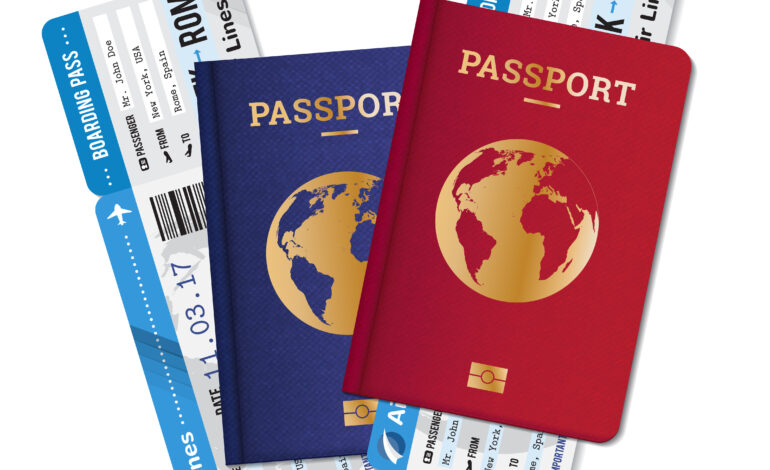
Portrait photos for passports, high school certification, and even IELTS/TOEFL results. If your child needs to test their English proficiency or a police clearance certificate, the earlier the better.
Compile and make copies of everything. In some countries, police are known to harass foreign students who are walking the streets without certification. Don’t let your kid be one of them.
Additionally, schools and embassies will need evidence to verify your identity and proof of your ability to bankroll your child’s foreign education. Is that something you can provide on short notice?
Don’t let fear guide your choice
Fear manifests in two ways: fear of the unknown and fear of failing. Letting a child go isn’t easy. If the test of love is setting them free, then it is also the test of fear.
Fear is a natural emotion; it sharpens our instincts and keeps us safe. But are safety and comfort worth your child’s academic and professional future?
Safety and local support systems
Travelling abroad is a scary ordeal; not only does it mean you lose direct access to your family, but it also spells seclusion. Foreign pupils and students need a framework in these international circumstances.
Reach out to a friend, old relative, or even a colleague when planning your child’s education. They may be in touch with like-minded individuals who will foster your kids into their community.
Consequently, off-campus accommodation may pose a security risk, and hostels may be a health hazard in and of themselves. Situations may vary; that is why inquiring from a cultural informant is recommended. After all, they are in a position to guarantee your child’s safety when you are not.
Are they making the move alone?
Are your children capable of moving alone, or do they still rely on your care? Moving across borders to further one’s education or start it is life-altering. Even though new connections are forged, some are lost forever. Cultural identities eventually shift for good.
Recommended: Flicks for the Whole Family: November Movie Guide
If the move is one you’re making as a family, are there any career prospects you have in mind? Also, will it all take place in a designated area, or is there a different transport plan in the works? Lastly, is the move something that can be done as a family, or will you trust your young one(s) to make a tribe of their own?
Read the Special Festive Issue
For even more, click HERE to join our WhatsApp channel.