










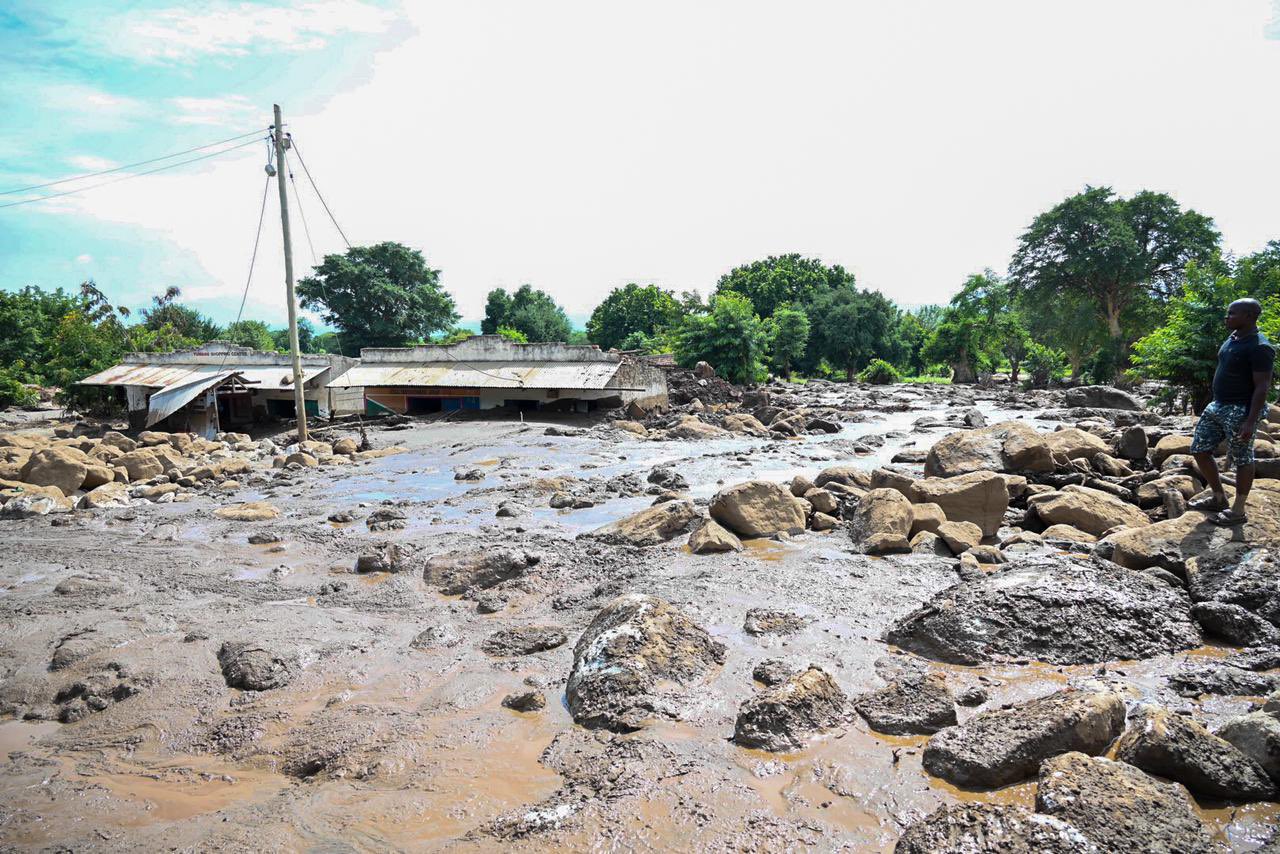
At least 26 people, including 14 students, have lost their lives following a devastating landslide in Marakwet East, Elgeyo Marakwet County. The tragedy, which struck over the weekend, has left families mourning, homes destroyed, and schools cut off just as thousands of candidates sit for their national examinations.
According to Basic Education Principal Secretary Julius Bitok, 28 schools, both primary and secondary, have been directly affected by the landslide and ongoing floods that continue to pound parts of the Rift Valley region.
“We are saddened by the loss of young lives in Marakwet East. It is an immense tragedy, and we extend our deepest condolences to the affected families,” Bitok said.
Experts and government officials attribute the Marakwet East landslide to a combination of heavy rainfall, deforestation, and unsafe land use practices on the steep slopes of the Kerio Valley escarpment.
The area, known for its fragile terrain, had experienced torrential rainfall for days. The saturated soil gave way in the early hours of Saturday, sweeping away homes, schools, and farmland.
According to Interior Cabinet Secretary Kipchumba Murkomen, unsustainable farming on steep slopes and the cutting down of trees for cultivation and firewood weakened the soil’s natural stability.
“It is very sad that some families have lost five to six immediate family members. We are doing everything possible to assist, including covering hospital bills and resettling displaced families,” said Murkomen.
Environmental experts have long warned that the region is highly vulnerable to landslides, especially during Kenya’s short rains. With climate change causing more intense and unpredictable rainfall, the risk has only increased.
Among the victims were students preparing for their Kenya Certificate of Primary Education (KCPE) and Kenya Certificate of Secondary Education (KCSE) examinations.
At least three bridges were destroyed, cutting off schools from exam collection points and leaving over 1,800 learners stranded. Some schools have been turned into temporary shelters for displaced families, while others are serving as exam centres for affected candidates.
“We have mobilised all resources necessary to ensure that affected candidates can continue their examinations without interruption. No child will be left behind because of weather conditions or the recent disaster,” PS Bitok assured.
To ensure learning and exams continue, the government has deployed helicopters, all-terrain vehicles, and security teams to distribute and collect exam papers from the cut-off areas.
The Kenya Defence Forces (KDF), Kenya Red Cross, and other agencies are leading the rescue and recovery operations. However, efforts have been slowed by continued rainfall and flash floods that have rendered roads impassable.
As of Monday, 25 people were still missing, and over 30 others were receiving treatment for injuries sustained during the disaster.
The government has pledged to:
-
Cover medical expenses for those injured.
-
Airlift food and supplies to affected families and schools.
-
Resettle displaced households once the situation stabilises.
Red Cross regional manager Oscar Okum warned that the situation remains dangerous.
“Today, while we were doing search and recovery, we witnessed more mudslides in the same area. We urge community members to move to safer grounds for their safety and livelihoods,” he said.
As rescue efforts continue, Kenyans are rallying behind the affected families, donating food, clothing, and emotional support.
For many, this tragedy is a painful reminder of the need for better environmental conservation, early warning systems, and disaster preparedness, especially in regions where families live and farm on steep terrain.
While the rains have exposed the country’s vulnerability, they have also revealed the resilience of Kenyan families, parents comforting children who have lost friends and classmates, and teachers ensuring exams continue even under unimaginable circumstances.
What Families Can Learn
-
Avoid settling or farming on steep slopes, especially areas that have previously experienced landslides.
-
Plant trees and preserve vegetation to stabilise soil.
-
Heed government warnings during heavy rains and move to safer areas when advised.
-
Offer emotional support to children exposed to trauma; such events can deeply affect their sense of security and performance in school.
As the country mourns, the Ministry of Education and the Interior Ministry have assured families that no candidate will miss their exams due to the disaster.
But beyond the statistics are broken families; mothers, fathers, and children who will need time, healing, and community to rebuild their lives.
“Even in the face of tragedy,” one teacher in Marakwet East said, “our children remain our hope. We will rise again, for them.”




Add Comment