
Cover Story
What to Consider When Enrolling Your Child in Their First School

Published
7 months agoon
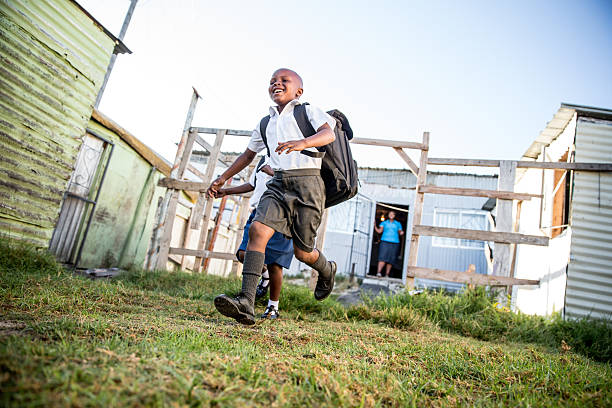
Most of us remember our kindergarten days vividly: the little classroom, the new shoes, the snacks, the songs, and the friendships that often lasted well into adulthood. That first school is, for many children, their first real community outside the home. For this reason, choosing where to enrol your child is not a decision to rush. It requires careful assessment of the environment, the developmental needs of the child, and the values of the family.
Key Considerations
Learning philosophy and curriculum
Different schools follow different early years philosophies: Montessori, CBC (Competency-Based Curriculum), , Play-Based, Waldorf/Steiner, or hybrid approaches. Parents should understand:
How learning is structured: child-led vs. teacher-directed
Emphasis on play and exploration vs. early academic performance
Alignment with the child’s temperament and family educational values
Teacher qualifications and ratio
Early childhood learning is highly relational. Investigate:
Teacher training in Early Childhood Development (ECD)
Student-to-teacher ratios (smaller groups facilitate personalised support)
Staff turnover, which impacts continuity and attachment
Support staff consistency (class assistants, caregivers, aides)
Safety and environment
The learning environment must feel safe both physically and emotionally. Evaluate:
Classroom layout, sanitation, play equipment, and fencing
First aid procedures and whether staff are trained in pediatric emergency care
Clear child drop-off and pick-up protocols
Emotional safety and bullying prevention policies (relevant even at early ages)
School culture and values
This includes how the school treats children, families, and the community. Look for:
Respectful communication practices
Diversity and inclusion
Discipline and conflict resolution approaches
Warm, welcoming staff and leadership
Social-emotional development support
At this stage, children are learning to share, negotiate, express feelings, and build friendships. Ask:
How the school facilitates socialisation and peer interaction
Whether they incorporate emotional literacy (feelings, turn-taking, empathy)
Use of play-based problem solving
Facilities and enrichment activities
Exposure builds creativity and confidence. Consider:
Outdoor play areas
Music, art, movement, and storytelling
Sensory play materials
Library access or book corners
Communication with parents
Transparency matters. Clarify:
How often teachers give feedback (daily reports, term reviews, digital platforms)
How the school handles concerns or grievances
Opportunities for parent participation or observation
Logistics and practicality
Practicalities matter for consistency. Evaluate:
Proximity to home or work
Transportation options
School hours vs. parent schedules
Meals and snack policies (packed vs. provided)
Fees, payment schedules, and hidden costs
Trial and adaptation period
Transitioning to school can be emotional for both child and parent. Ask schools about:
Orientation or transition days
Policies on separation anxiety
How teachers support shy or slow-to-warm children
Accreditation and compliance
Ensure the school meets regulatory standards:
Registration with the Ministry of Education
Compliance with health, safety, and child protection guidelines
Regular inspections
Conclusion
The first school experience influences how a child perceives learning, friendship, and the wider world. The goal is not to find the most prestigious institution, but the one that aligns with the child’s developmental needs and the family’s values.
By taking time to assess these factors, parents set a strong foundation for both academic and social well-being.
READ OUR E-PAPER DECEMBER ISSUE HERE
Click HERE to join our WhatsApp Channel











You must be logged in to post a comment Login