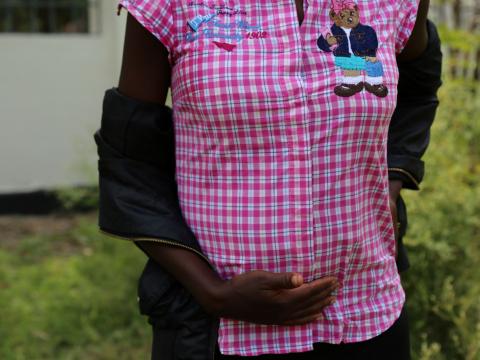


Becoming a mother during the festive season can either feel joyous or entirely overwhelming. Family and friends will offer endless advice regarding motherhood, baby names, feeding, and even the timing of a baby shower.
While their excitement is well-intentioned, it is necessary to slow down and move at your own pace. The early days of motherhood can be joyous, challenging, confusing, and, at times, lonely and hey, that is normal.
Here are a few experiences many mothers encounter after welcoming their little one:
Emotional adjustments
It is often said that a mother will fall in love with her baby immediately upon seeing them.
For some, this happens instantly; for others, it doesn’t. If you do not feel an immediate bond, extend yourself some grace. Your body is undergoing hormonal changes, and attachment can some time, months even, to develop.
With time, the bond grows naturally.
Postpartum bleeding
Whereas a regular menstrual period lasts a few days, postpartum bleeding may continue for four to eight weeks. This discharge, known as lochia, is a normal part of the healing process.
It may be heavy during the first few days and gradually lighten and change in colour before ceasing entirely.
Breastfeeding considerations
Breast milk does not always arrive immediately, which can be stressful. Exercise patience and allow your body to respond in its own time. Continue offering the breast, as frequent latching encourages milk production.
The breasts may swell, feel tight, or become sore initially, but this usually resolves. Be vigilant for signs of mastitis, such as fever or a painful, warm breast, and seek medical attention if necessary.
Cramping and general discomfort
After carrying a baby for nine months, ligaments and muscles are considerably stretched.
It is normal to experience cramping as the uterus returns to its pre-pregnancy size. Healthcare professionals may gently massage the abdomen to aid this process and reduce excessive bleeding; this can be uncomfortable but is temporary.
Following a vaginal delivery, urination may sting. Warm sitz baths or rinsing with warm water can provide relief while the area heals.
Mobility after a caesarean section
Mothers who undergo a caesarean section are encouraged to walk within a few hours of surgery.
Gentle movement helps reduce the risk of blood clots, eases abdominal discomfort, and supports bowel function, which can be difficult following surgery.
Antibiotics may be administered to prevent infection, and pain relief will be provided as needed.
Finally…
When a well-meaning relative suggests that motherhood is a walk in the park, remember that the reality is often different. Every experience is unique, every body heals at its own pace, and every mother deserves patience, rest, and support.
Wishing you the very best as you embark upon this beautiful journey with your little one. You are already doing wonderfully.
Also Read: How to support first-time mothers