









Every parent knows the worry that comes when a child struggles in school. You see your child trying, but the grades don’t reflect the effort. You hear comparisons from relatives or teachers, and the quiet question creeps in: “What if my child just isn’t bright?”
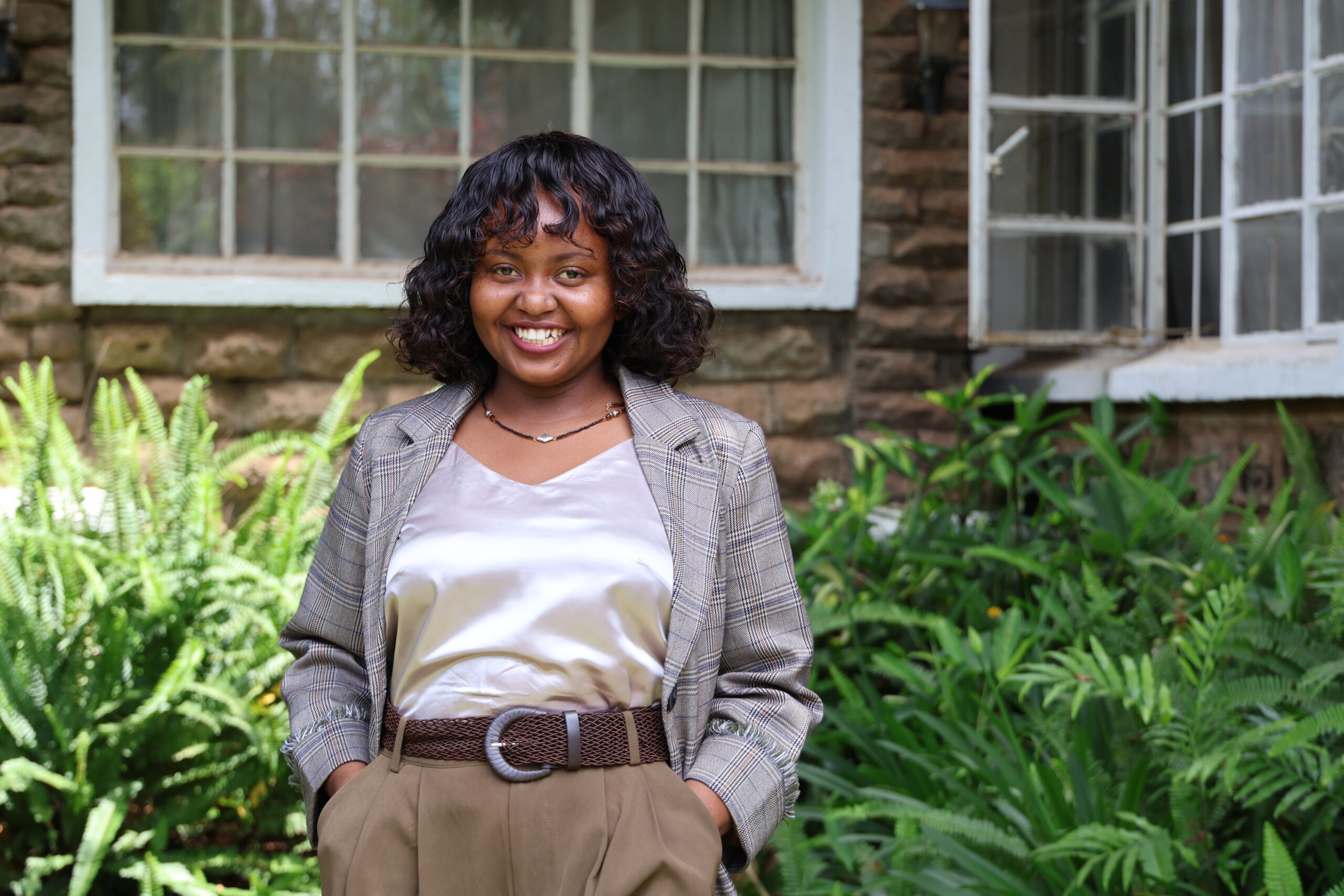
Millicent Mutheu, a brain trainer and educator, challenges that thought entirely. She believes no child is dumb, some just haven’t learned how to learn.
According to Millicent, many children today are being taught to remember, not to understand. Education has become about performing well on exams, not about nurturing the natural curiosity every child is born with. “We’ve mistaken information for intelligence,” she says. “Children are being trained to repeat, not to think.”
Her approach to brain learning focuses on helping children discover the learning style that best suits how their brains are wired. Some children learn best through movement, others through storytelling, sound, visuals, or hands-on experiments. When learning methods are not aligned with a child’s natural style, the child begins to doubt their ability, not realizing that it’s the method, not their mind, that’s failing them.
Millicent also believes that today’s fast-paced, information-heavy world has robbed children of the patience and courage to think deeply. With AI tools and instant answers, learning has become about speed, not understanding. “Real learning is slow, brave, and original,” she says. “It takes time to connect ideas, to make mistakes, and to grow confident in your own thinking.”
For parents, this is a call to rethink what success in education really means. A child who struggles with math may have a strong visual or creative brain that thrives in storytelling or design. A child who seems distracted might just need lessons that engage their body or emotions. Understanding how your child’s brain learns can turn frustration into discovery.
Millicent’s theory also extends to teachers. She encourages them to become facilitators of thinking, not just keepers of the syllabus. In her sessions, she trains educators to design lessons that make learning meaningful, lessons that connect curiosity, creativity, and confidence.
But her message to parents is simple: your child’s potential isn’t measured by how fast they memorize or how high they score. It’s measured by how deeply they engage, how boldly they question, and how joyfully they learn.
In Millicent’s words, “If we stopped grading learning and started growing it, every child would finally feel smart.”
Because the truth is, every child is capable — they just need to learn in the way their brain was meant to.




Add Comment