










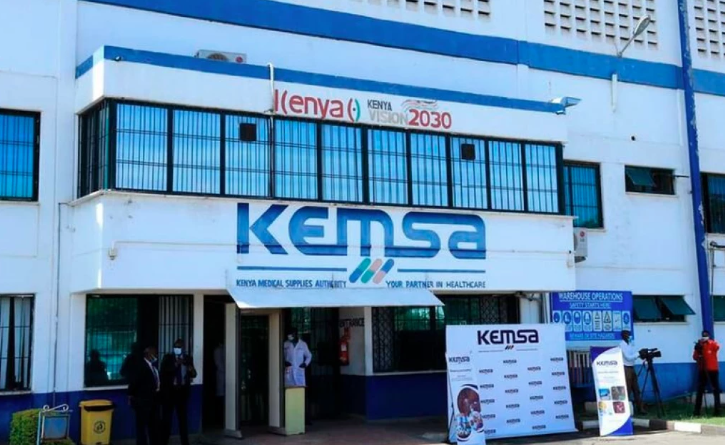
In a revelation that has left many kenyans shocked and angry, The Kenya Medical Supplies Authority (KEMSA) allowed essential medicines worth nearly 1 Billion shillings to expire in its warehouses.Among the wasted drugs were critical oncology (cancer) medicines, at a time when public hospitals across the country continue to face severe shortages of life saving treatments.
A damning report by the Auditor-General (Office of the Auditor-General Kenya) for the 2024/25 financial year has exposed massive inefficiencies in the country’s medical supply chain, showing that essential drugs including cancer, HIV/AIDS, tuberculosis and malaria treatments, were left unused until they became unusable.
A Billion-shilling loss in expired medicines
The report reveals that approximately Sh914 million worth of medicines and medical supplies expired under KEMSA’s watch. Among the losses were:
- Over Sh9 million worth of oncology (cancer) drugs
- Large volumes of donor-funded HIV, TB and malaria commodity
- Additional expired stock from both government and partner-funded programs
These are not just numbers on paper.They represent taxpayer funds, donor contributions and critically, missed treatment opportunities for patients who needed them most.
Hospitals without medicine, warehouses full of waste
Perhaps the most troubling contradiction is that while medicines were expiring in warehouses, hospitals across Kenya were reporting persistent shortages.
Cancer patients, in particular, have been hit hard.Many are forced to delay chemotherapy or seek expensive alternatives in private facilities. For some families, treatment interruptions have meant worsening conditions and avoidable suffering.
At the same time, KEMSA’s order fulfillment rate stood at just 41%, far below the 90% target. In simple terms, more than half of requested medicines never reached health facilities, even as supplies quietly expired elsewhere.
The crisis did not happen overnight. It points to long-standing structural weaknesses in Kenya’s medical supply chain:
- Poor demand forecasting led to overstocking of some medicines and shortages of others.
- Inefficient distribution systems delayed delivery to health facilities.
- Centralized warehousing meant near-expiry drugs were not efficiently redirected where needed.
- Weak inventory tracking systems failed to flag and redistribute medicines in time.
These failures have been repeatedly flagged in past audits, raising concerns about slow or incomplete implementation of reforms.
The human cost
Beyond the financial loss lies a more painful reality; patients paying the price.
For cancer patients, every missed dose or delayed cycle can significantly affect outcomes. Families already stretched emotionally and financially are forced to either purchase expensive drugs privately or watch treatment stall.
The inclusion of donor-funded medicines in the wastage also raises serious questions about accountability and Kenya’s ability to manage critical international health support effectively.
A wake up call
Kenya cannot afford a health system where essential medicines expire in warehouses while patients go without treatment. The loss is not just financial..it is measured in delayed care, worsening illnesses and lives at risk.
At its core, this is a crisis of coordination and accountability. And unless addressed decisively, it will continue to erode public trust in the country’s healthcare system.
Patients are still waiting. And they deserve far better than wasted medicine and broken promises.
CLICK HERE to join our Whatsapp channel





Add Comment