Connect with us

Cover Story

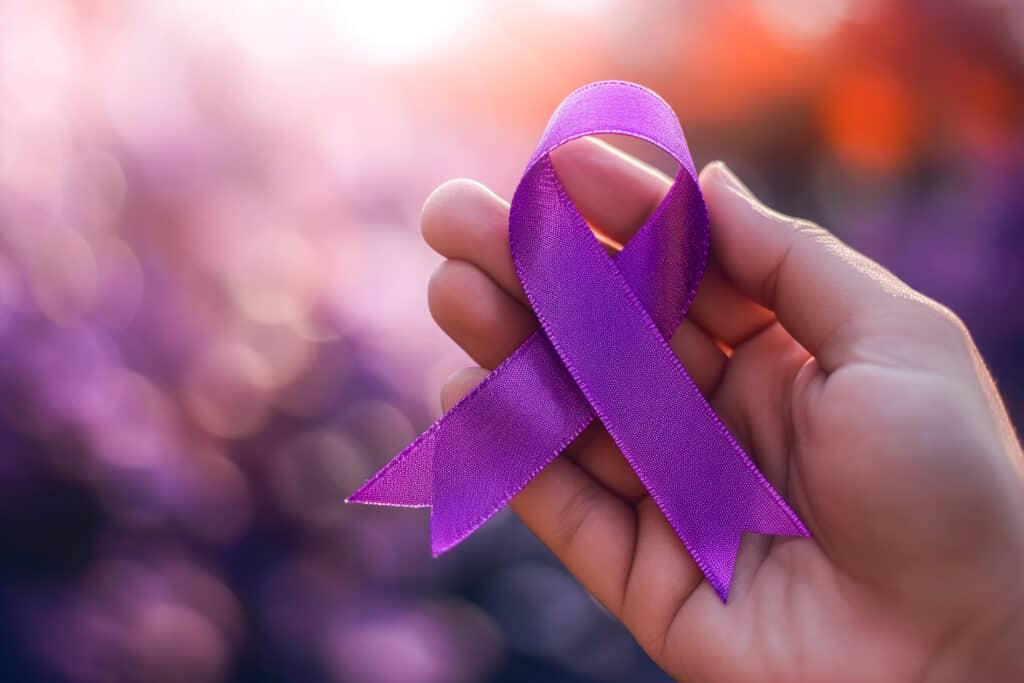
Action Over Fear: A Sit Down With Breast Cancer Expert

Published

on

The Basics: Busting the Misconceptions

PM: What is your main focus in women’s health?

VW: I’m a clinician and health content creator focusing mainly on women’s healthMy goal is to translate complex medical terms into simple, easy-to-understand language. Like talking to a friend.

I want to give value through knowledge.

PM: What are the biggest misconceptions the public holds about breast cancer?

VW: The biggest one I’ve seen is the belief that only women get breast cancer. That’s not true. While the highest percentage of patients are women, we do see men in rare circumstancesAlso, people still feel like cancer is a death sentence, which instills fear.

PM: Is breast cancer a death sentence?

VW: Absolutely notWhen caught early, a person can be savedWe have many treatment methods, and people need to move away from that mentality of fear.

What You Can’t Change and What You Can

PM: What are the primary risk factors we can’t change?

VW: The number one risk is ageMost diagnoses occur in older women, usually above 50 yearsThis is due to more hormone exposure and gene mutation as one gets olderFamily history is another risk factor, especially if a first-generation relative had the cancer.

PM: How does a woman’s reproductive history affect her risk?

VW: Getting your period early (before age 12) or experiencing late menopause increases the riskThis is because of longer exposure to estrogenConversely, having a child reduces your risk because pregnancy and breastfeeding lower estrogen levels.

PM: Beyond genetics, what lifestyle factors significantly impact your risk?

VW: Obesity, alcohol consumption, and smoking predispose you to breast cancer and many other diseasesA lot of physical movement also helps.

PM: Who should consider genetic testing?

VW: It’s particularly valuable for people who have a family history of breast or ovarian cancerThe BRCA mutation is a common cause of breast cancer and is often passed downGenetic testing is important for early detection and helps with early treatment and prevention.

Take Action: Early Detection Steps

PM: What are the key signs people should look for during a self-exam?

VW: You should look for a lump or thickening in your breasts, a change in breast size, dimpling around the breast area, nipple retraction, or nipple discharge.

PM: What are the screening recommendations for someone with a high risk?

VW: Individuals at a higher risk should start undergoing mammograms and breast ultrasounds at age 30Consistent checkups are essential.

PM: For the average person, what self-care is recommended?

VW: A monthly self-breast exam is recommendedWomen should also schedule an annual check-up with their doctor.

PM: What is the biggest barrier to early screening you’ve witnessed?

VW: The biggest challenge isn’t even cost. It is fearMisinformation that cancer is a death sentence instills this fearWe need to normalize the conversation.

PM: How can we reduce this fear and stigma?

VW: By widely sharing survivor stories to inspire and give hopeSocial media campaigns have helped a lot in this.

PM: A message for the youth?

VW: Awareness is powerful, but it is action that saves livesHaving the information isn’t enough; you must take actionYou can know how to do a self-exam, but not doing it won’t help youIf you are a survivor, share your story. It could save a life.

An incredibly insightful session with Valentine Gathoni Waiguru! We’ve successfully busted the myth that only women get breast cancer. Sorry, gentlemen, you’re not entirely off the hook!

This session also put to rest the notion that a diagnosis is game over. Remember that while you can’t edit your genes or rewind the clock, you absolutely can boot alcohol and cigarettes out of your life, get your body moving.

Make friends with your own breasts and chest. So, next time you’re contemplating a couch marathon, think of Valentine and choose the self-exam instead. As she reminds us, awareness is powerful, but action saves lives!

Find more content like this and much more on our WhatsApp channel.

Cover Story

Heartbreak as Body of 12-Year-Old Blessed Claire Muthoni Arrives Home from India

Published

on

Kenyans are mourning the loss of Blessed Claire Muthoni, a brave 12-year-old girl from Kihuri in Othaya, Nyeri County, who passed away while undergoing specialised cancer treatment in New Delhi. Claire had been fighting stage 4 cancer for over three years.

The aggressive disease took a heavy toll on her young body, eventually leading to the amputation of one of her legs. Despite the pain and the many challenges she faced, Claire remained hopeful and courageous throughout her journey, inspiring many who followed her story.

On January 19, 2026, she travelled to India with her mother in search of advanced treatment aimed at saving her remaining leg and managing the cancer that had spread to her lungs. The journey was filled with hope, supported by Kenyans from all walks of life who contributed towards her treatment and kept her in their prayers.

A brave fight

While in India, Claire underwent several chemotherapy sessions. Unfortunately, her condition worsened after developing complications, leading to her admission to the Intensive Care Unit. She passed away in hospital last week, leaving behind a grieving family and a nation that had stood with her.

On Monday, March 30, 2026, her remains arrived at Jomo Kenyatta International Airport. The atmosphere at the airport was filled with grief as family members, friends and well-wishers gathered to receive her. Her mother returned home alone, carrying a loss no parent should have to endure.

Claire will be laid to rest in her home area of Othaya in the coming days, as her family begins the difficult process of saying their final goodbyes.

Her story touched thousands across the country, many of whom followed her journey through updates and fundraising efforts. She became a symbol of strength and resilience, and her passing has deeply affected those who had hoped to see her recover.

Beyond the grief, her story has once again brought attention to the challenges families face when dealing with childhood cancer in Kenya. The high cost of specialised treatment, limited access to advanced care locally, and the emotional and financial strain on families often force many to seek treatment abroad.

Read our March issue here 

Continue Reading

Cover Story

Shock as Section of Gikomba Shoe Market Demolished Overnight

Published

on

Traders at Nairobi’s bustling Gikomba Market are counting heavy losses after a section of the popular shoe market (mitumba shoe section) was demolished overnight by Nairobi City County enforcement teams. The operation took place in the early hours of Tuesday morning.

Videos and photos circulating on social media show destroyed merchandise and devastated traders who arrived at the market this morning to find their businesses in ruins. According to reports, the county government carried out the demolition after an eviction notice lapsed. This happened even though the High Court (Environment and Land Court) had earlier issued and extended conservatory orders in March 2026, halting mass demolitions and evictions at Gikomba and surrounding areas along the Nairobi River.

Repeated demolitions

Demolitions at Gikomba are not new. As far back as 1977, the original market was brought down by the government to pave the way for light industries. In recent years, attention has shifted to the riparian land along the Nairobi River, with authorities proposing to expand the buffer zone from 30 metres to 50 metres in a bid to control flooding.

Many traders have raised concerns over what they describe as poor consultation, shifting relocation plans and the lack of a clear and secure alternative site. There are also growing fears that the process could open the door to land grabbing and cartel involvement.

Impact

For most traders at Gikomba, the market is more than just a place of business. It is their only source of livelihood. Repeated fires and demolitions have created a cycle of uncertainty, financial strain and constant rebuilding. Many small business owners say they struggle to recover after each loss, only to face another setback months later.

Calls for improved fire safety measures, fair relocation plans and meaningful engagement with authorities continue to grow louder. Without long term and sustainable solutions, Gikomba traders will continue to bear the high cost of operating in one of Nairobi’s busiest yet most vulnerable markets.

For more, click HERE to join our WhatsApp channel!

Continue Reading

Cover Story

The joy of controlled freedom in parenting

Published

on

Parenting often revolves around setting boundaries and ensuring children follow rules. While discipline is essential, there is a hidden joy and power in saying “yes” to your child more often. Allowing controlled freedom can be a game-changer in fostering independence, confidence, and resilience in your child.

The Power of Yes

Saying “yes” doesn’t mean giving in to every whim or desire. Instead, it’s about choosing moments where your child can explore their world with freedom.

Whether it’s allowing them to choose their outfit for the day or letting them plan a family outing, these small moments of empowerment build self-esteem.

Building Confidence Through Freedom

Children thrive when they feel trusted. By saying “yes” to reasonable requests, you’re telling your child that you believe in their ability to make decisions.

This trust translates into confidence as they learn to navigate their choices, understanding the consequences and rewards that come with them.

Creating Safe Boundaries

While saying “yes” is powerful, it’s crucial to establish safe boundaries. These boundaries ensure that your child’s freedom doesn’t lead to harm.

For example, you might say, “Yes, you can play outside, but stay where I can see you.” This approach allows freedom within a safe framework, giving your child the space to grow while keeping them protected.

Encouraging Problem-Solving Skills

When you allow your child to make decisions, you’re also teaching them to solve problems. They learn to think critically about their choices, weighing options, and considering outcomes. This skill is invaluable, as it prepares them for real-world challenges.

The Lasting Impact

The simple act of saying “yes” more often can have a profound impact on your child’s development. It’s a way to show trust, build confidence, and encourage independence.

So next time your child asks for something, consider the power of “yes.” It might just be the best answer you give all day.

For more, click HERE to join our WhatsApp channel!

Continue Reading

Trending

Copyright © 2017 Zox News Theme. Theme by MVP Themes, powered by WordPress.